Articles & essays
-
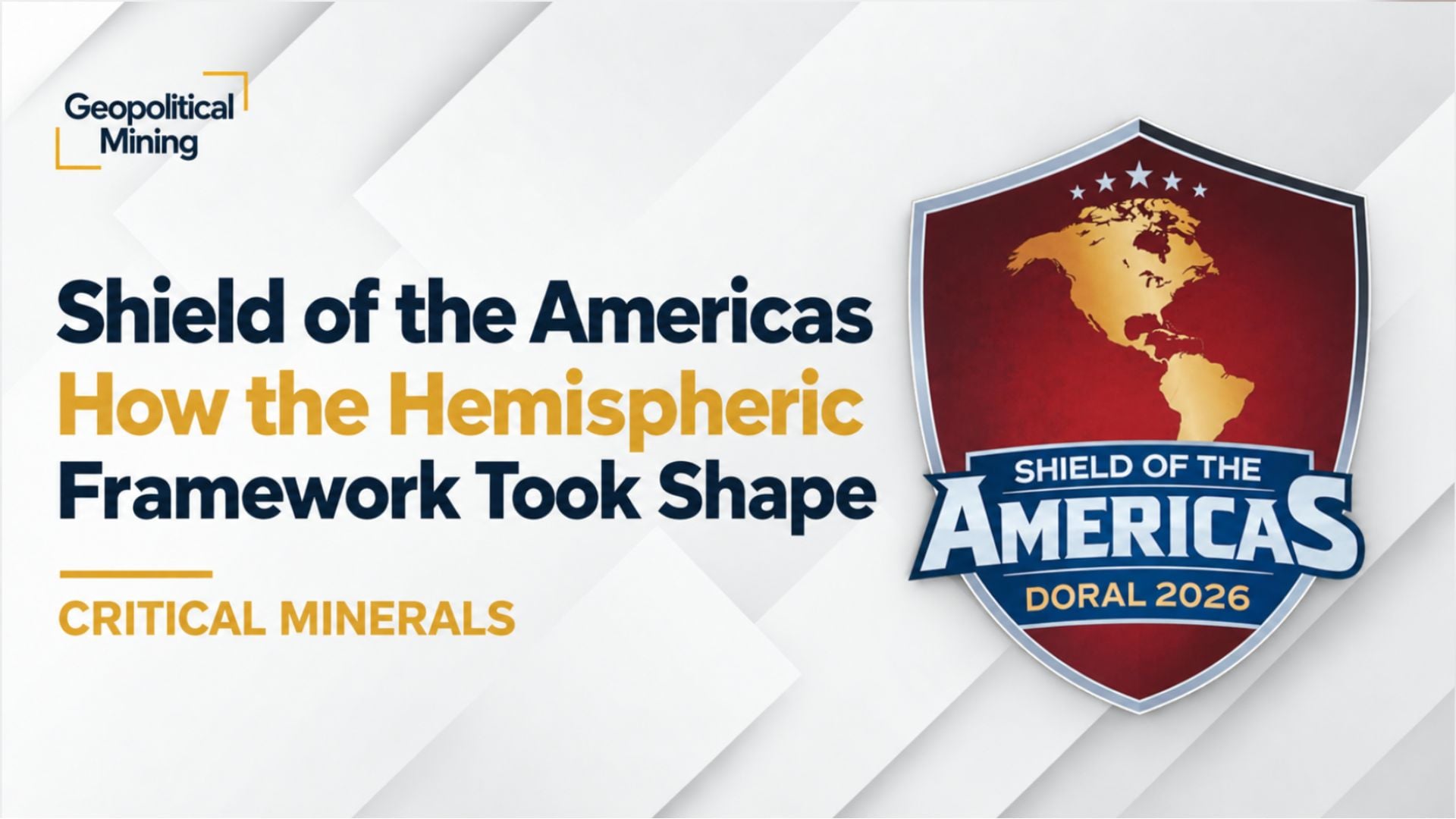
Shield of the Americas: How the Hemispheric Framework Took Shape
The Shield of the Americas developed during 2026 from U.S. strategic doctrine and hemispheric security cooperation into a broader framework covering economic sovereignty, critical minerals and multilateral coordination.
-

Mining Between Industrial Ambition and Monetary Restraint
The United States offers a current case for examining how monetary and industrial policy can meet inside the same mining project. Their interaction can change across exploration, feasibility, permitting, financing, construction and ramp-up, making the mining cycle a useful way to understand how strategic ambition becomes operating capacity.
-
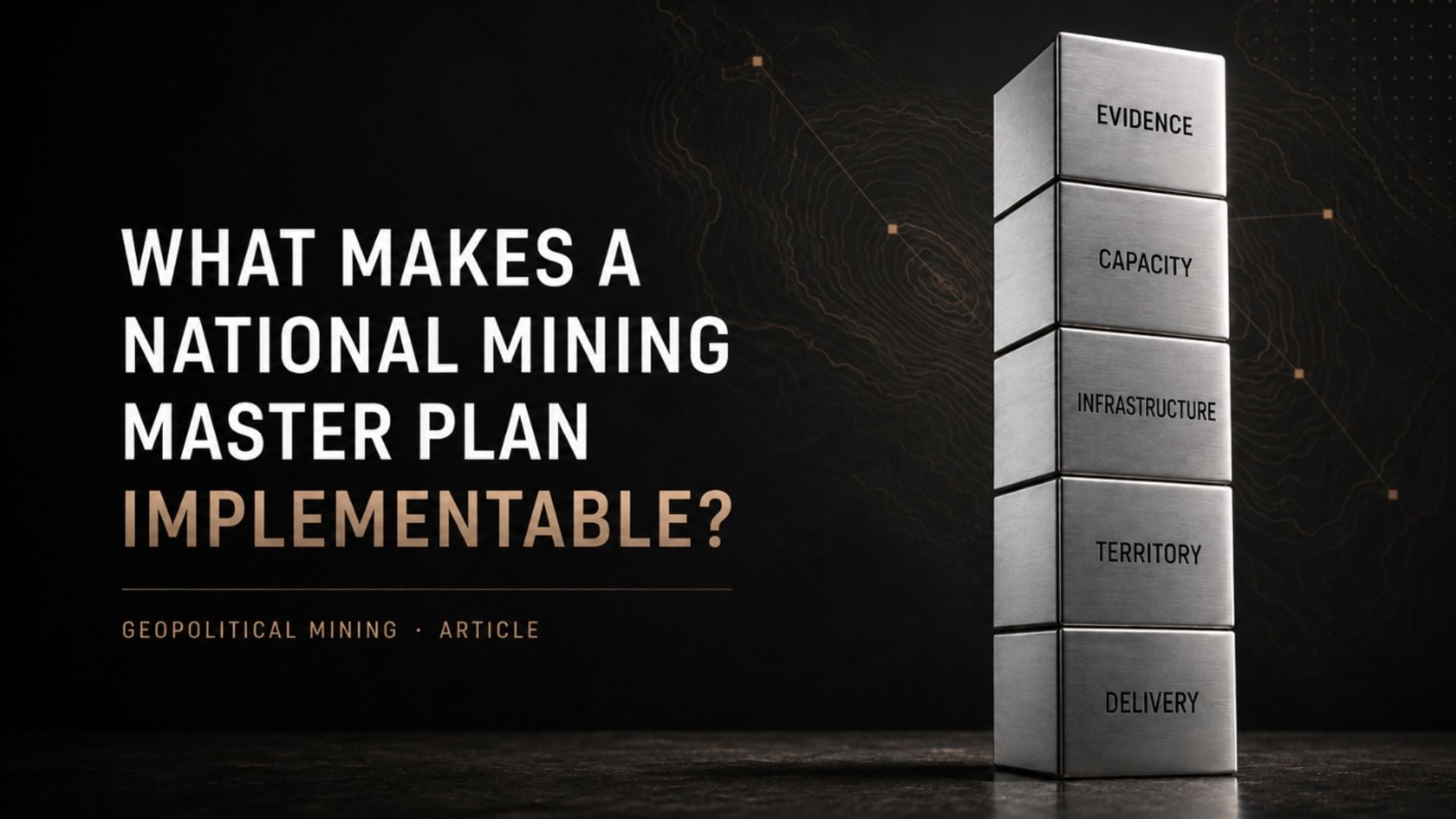
Mineral Security Is Built, Not Declared
Declaring minerals strategic does not create mines. This article explains how States connect geology, institutions, capital, infrastructure and territory through an implementable mining master plan.
-
What Is Geopolitical Mining?
Geopolitical Mining traces the path from the material foundations of modern life to viable production, formal mining order, industrial transformation and geopolitical power. It explains why mineral endowment alone is not enough: resources become strategic only when societies can produce, govern, transform and position them through organised capability.
-
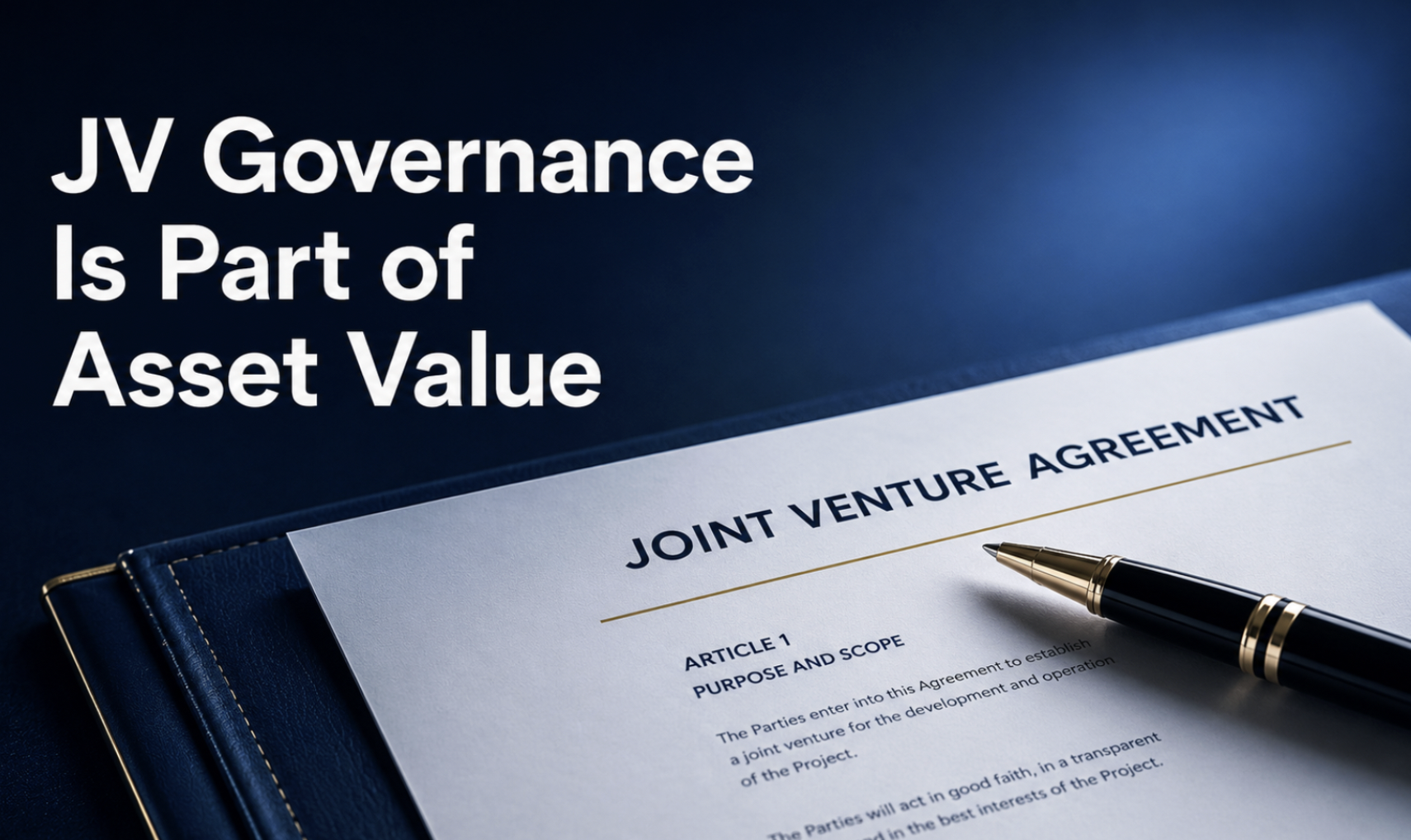
JV Governance Is Part of Asset Value
A mining joint venture interest is not simply a percentage of an orebody. Its real value depends on the governance architecture surrounding that percentage: information rights, decision rights, operator oversight, funding obligations, related-party controls, liability exposure, transferability and the capacity to respond when project assumptions change. In mining, governance is not an administrative layer around…
-
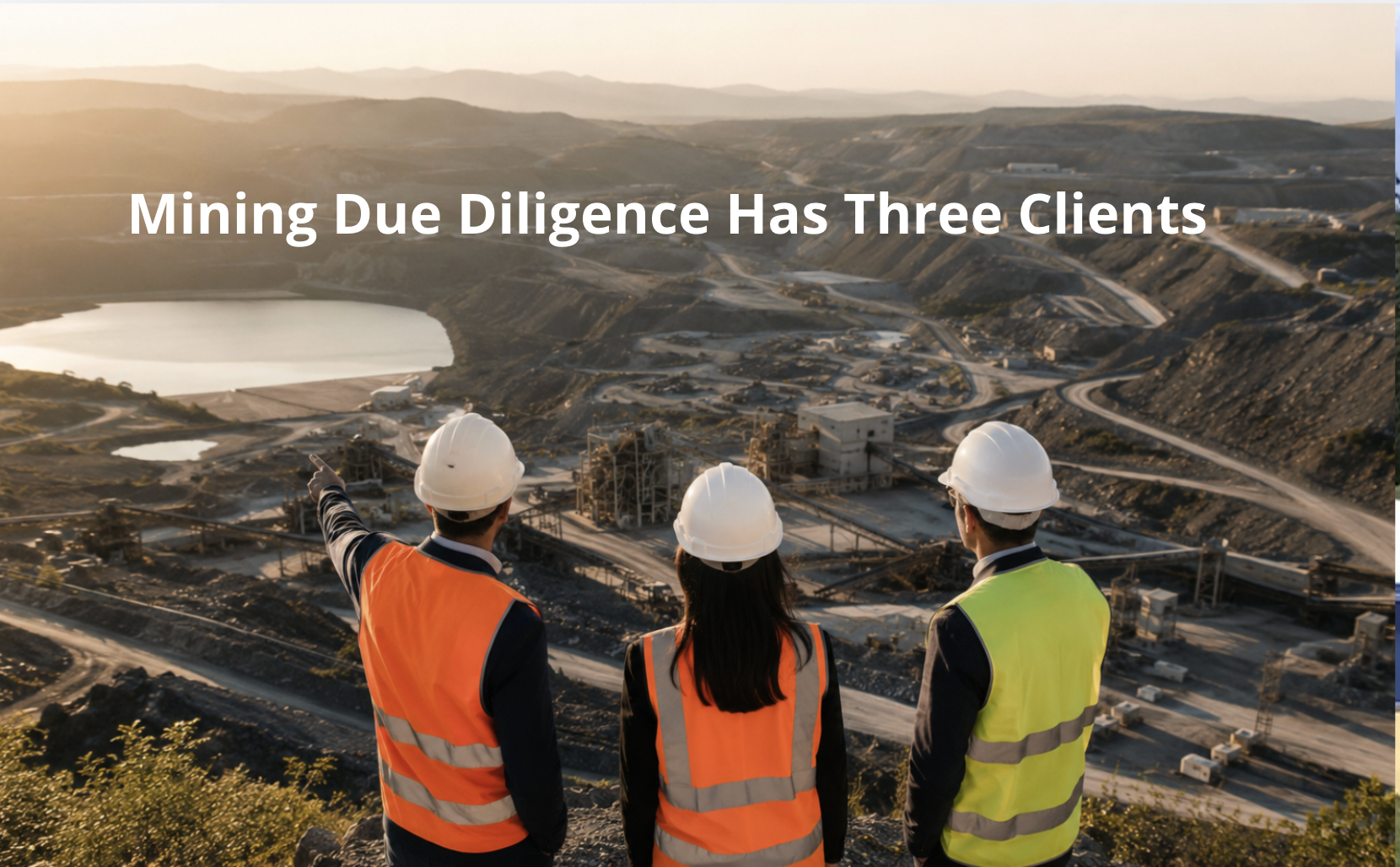
Mining Due Diligence Has Three Clients
Mining due diligence often reviews individual disciplines but misses the interfaces where projects fail. This article argues that effective diligence must serve three clients: the investor, the operator and the State, by testing whether value is real, the operating plan is executable and the project can be governed without creating hidden liabilities.
-
The Practitioner Gap
As mining becomes more strategic, the people who understand how geology becomes supply must help shape the decisions that govern it. This article introduces the practitioner gap and explains why closing it is essential to stronger, more accountable formal mining.
-

What Kind of Governance Does a Mining Company Need?
Mining governance is entering a more demanding cycle. As minerals become strategic to energy, defence, infrastructure and industrial policy, boards must move beyond formal structures and understand the mine itself: the technical, territorial and material system that turns resources into reliable supply.
-
Mining Viability
Technical and economic feasibility can justify a mining project, but it does not guarantee production. Mining viability asks whether that project can become sustained supply inside a real system of law, territory, capital, legitimacy and institutional trust.
-
The Mining Paradox: The Legitimacy Gap Behind Modern Life
Modern life depends on formal mining, from health care, food systems and infrastructure to energy, defense and artificial intelligence. The Mining Paradox examines why legitimacy is now strategic infrastructure in the era of Geopolitical Mining.