Country & Region Analysis
-

Canada After the U.S. Midterms: Can Prime Minister Carney Turn a Geopolitical Opening into Economic Power?
After the 2026 U.S. midterms, Canada may gain new room to negotiate with Washington. Geopolitical Mining examines Prime Minister Carney’s strategy, Canada’s critical mineral export markets and the challenge of turning investment commitments into competitive productive capacity.
-

U.S. Critical Minerals After the 2026 Midterms: What Democratic Industrial Proposals Reveal
Six U.S. Senate proposals offer a view of the industrial priorities entering 2027. Geopolitical Mining examines Democratic and bipartisan plans for EXIM financing, federal coordination, mining permits and mineral supply chains, and what they could mean for investors and producing countries.
-

The American Continent’s Next Industrial Moment: A Question Born in the Middle East
Could the search for dependable mineral supplies help shape the American continent’s next industrial moment? Beginning with Saudi Arabia’s supply continuity challenge, this essay examines nine economies and their relationships with the United States, Asia and Europe. It explores how resources and investment could support lasting productive capabilities, greater commercial choice and tangible benefits for…
-
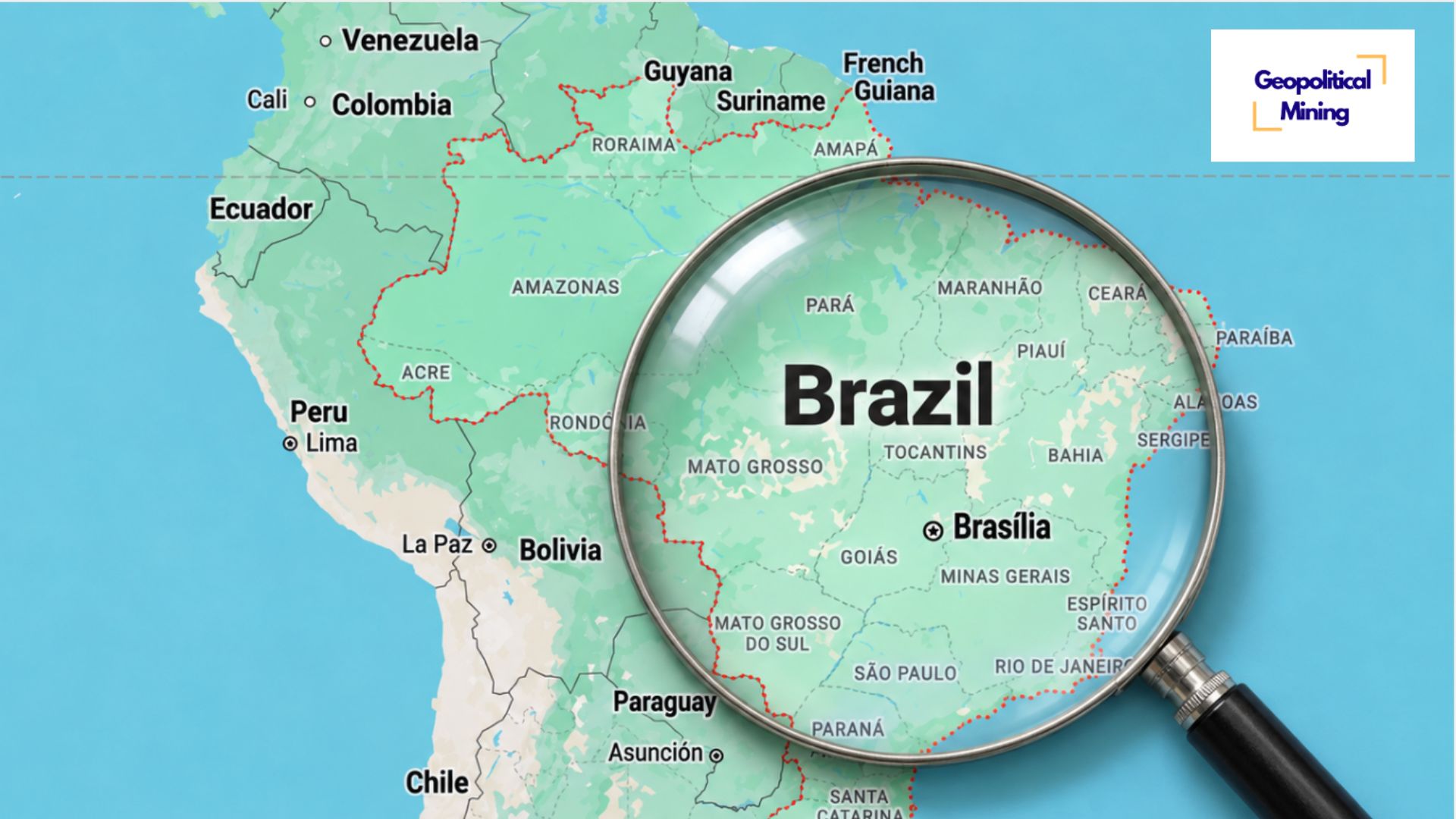
Brazil’s 2026 Election: Critical Minerals, a New Mining Framework and the Shield of the Americas
Brazil enters the 2026 presidential election with an established mining economy, a new critical minerals framework and a new regional question. The next government will need to determine how industrial development, foreign partnerships and Brazil’s relationship with the Shield of the Americas fit together, while managing existing commercial ties with China, the United States, Europe…
-

Can Europe Become a Major Market for Canadian Minerals?
Canada’s mineral trade remains concentrated in the United States, while its investment and industrial relationships already extend across a wider group of countries. Europe can deepen that diversification through capital, processing, technology and demand, provided existing relationships move rapidly into operating projects and durable commercial flows.
-
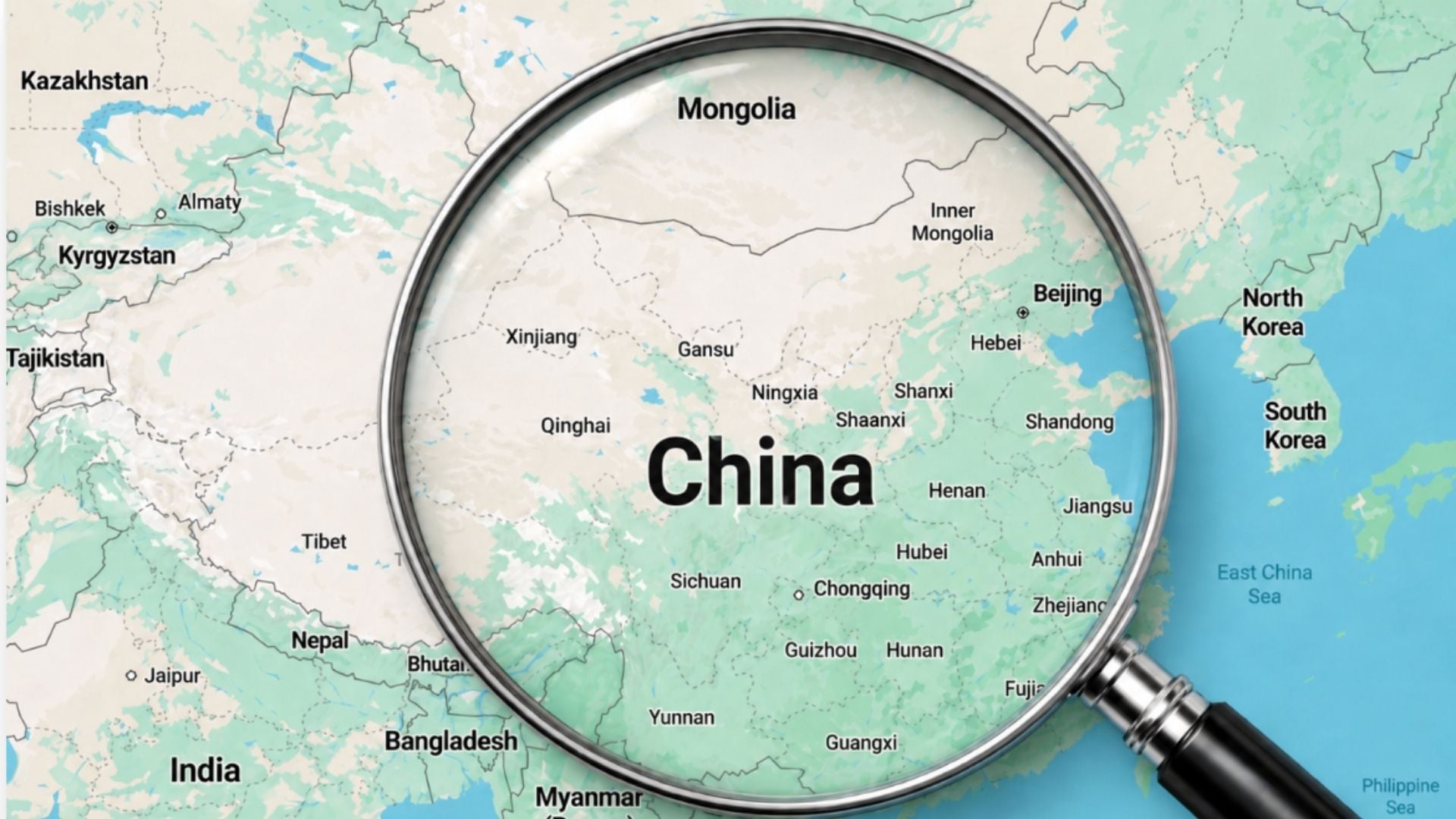
China’s Defense Mobilization Law and Mineral Security
China’s revised defense mobilization law extends a decades long approach to national security in which resources, production capacity, infrastructure and supply are built before pressure makes them indispensable. Strategic minerals form the upstream foundation of that system.
-
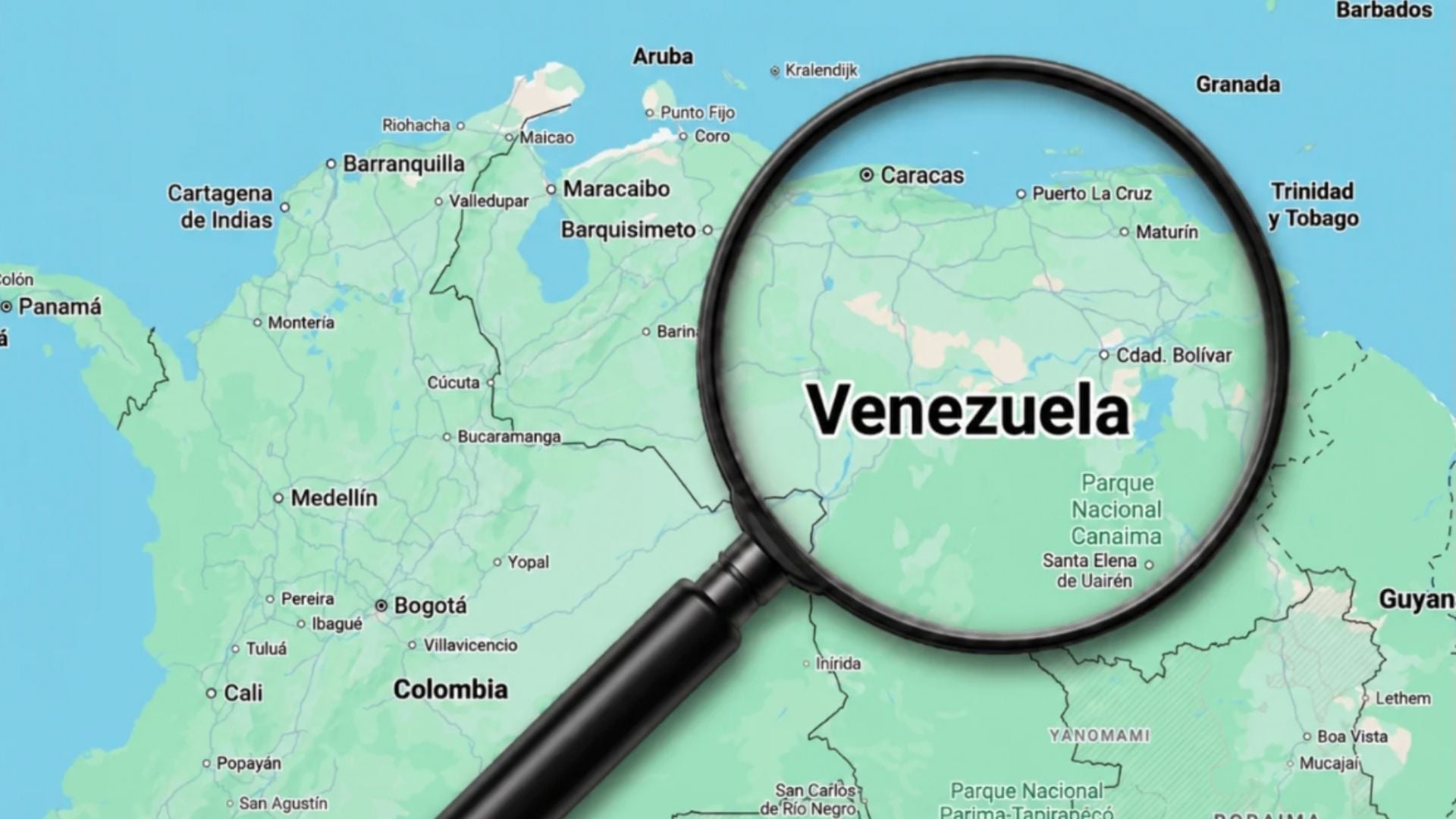
The System Around the Resource: What the Agreement Between Venezuela and the United States Really Means
The Venezuela United States agreement begins with the physical fit between Venezuelan heavy crude and Gulf Coast refining, but its architecture now extends into minerals, technology, processing, traceability and future investment.
-

Canada: How Indigenous Nations Are Rewriting the Terms of Mining
Across Canada, Indigenous Nations are entering more of the institutions that shape mining, from mineral claims and project assessment to ownership, finance and capital allocation.
-

United Kingdom: Building Mineral Capacity Through Coordination
The United Kingdom is building mineral relevance from a different asset base: future industrial demand, selective domestic capability, market infrastructure, finance and international partnerships. This article examines how Britain is working backwards from the economy it wants to build—and whether coordination can turn mineral intelligence, contracts and capital into reliable supply.
-
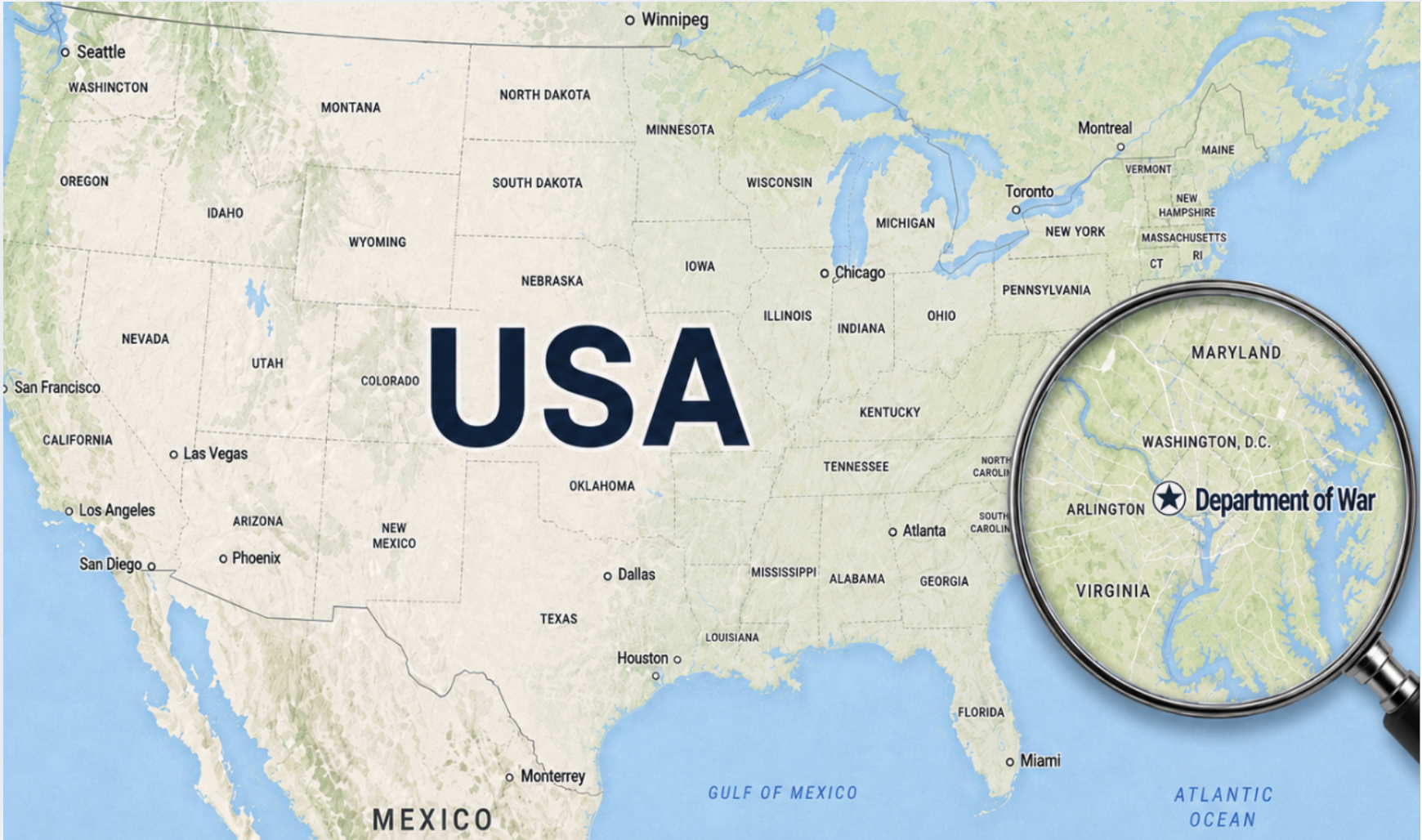
United States: How the Department of War Is Building a Mineral System
The U.S. Department of War is beginning to treat mineral security not as a purchasing problem, but as a system capability. From military land and supply chain mapping to strategic capital, supplier qualification and reserves, its approach offers a practical case of applied geopolitical mining.