REGION.AMERICAS
-
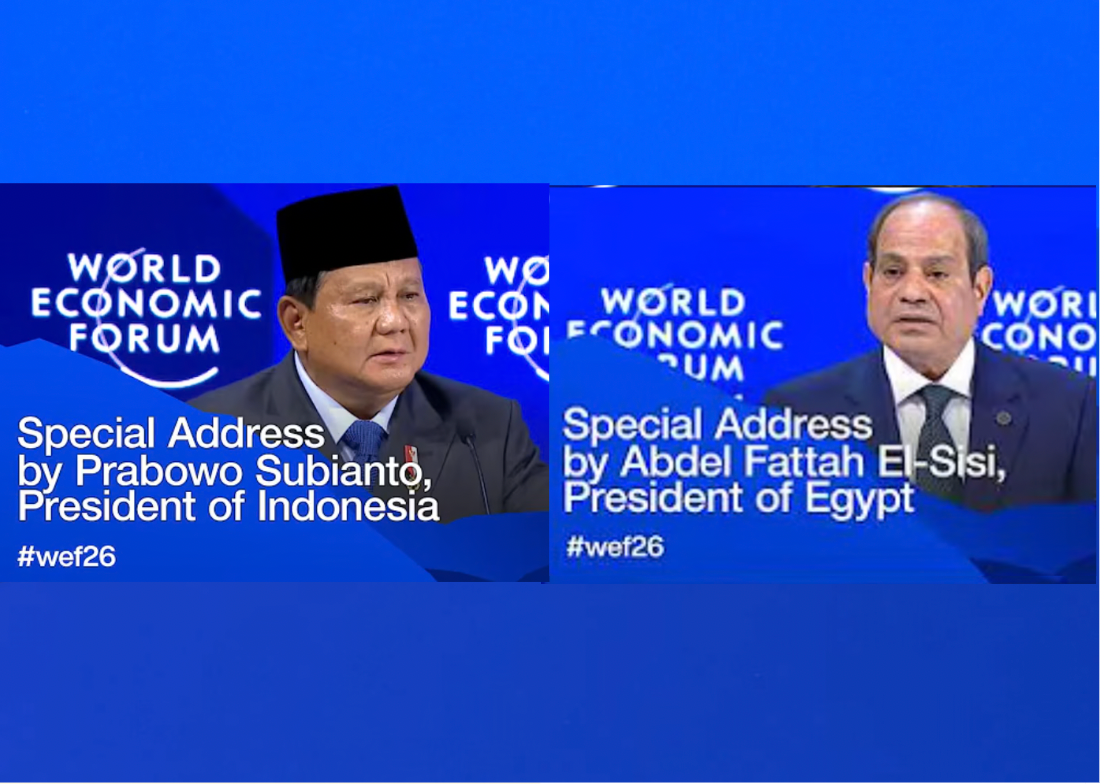
Davos 2026 | Second Axis of Analysis.Indonesia and Egypt: Stability, Growth and the Social Contract in the Global South
Indonesia and Egypt use Davos 2026 to redefine stability as a competitive asset, linking peace, social policy, reform and private investment into a new social contract in the Global South, where growth, legitimacy and material infrastructure move on the same track.
-
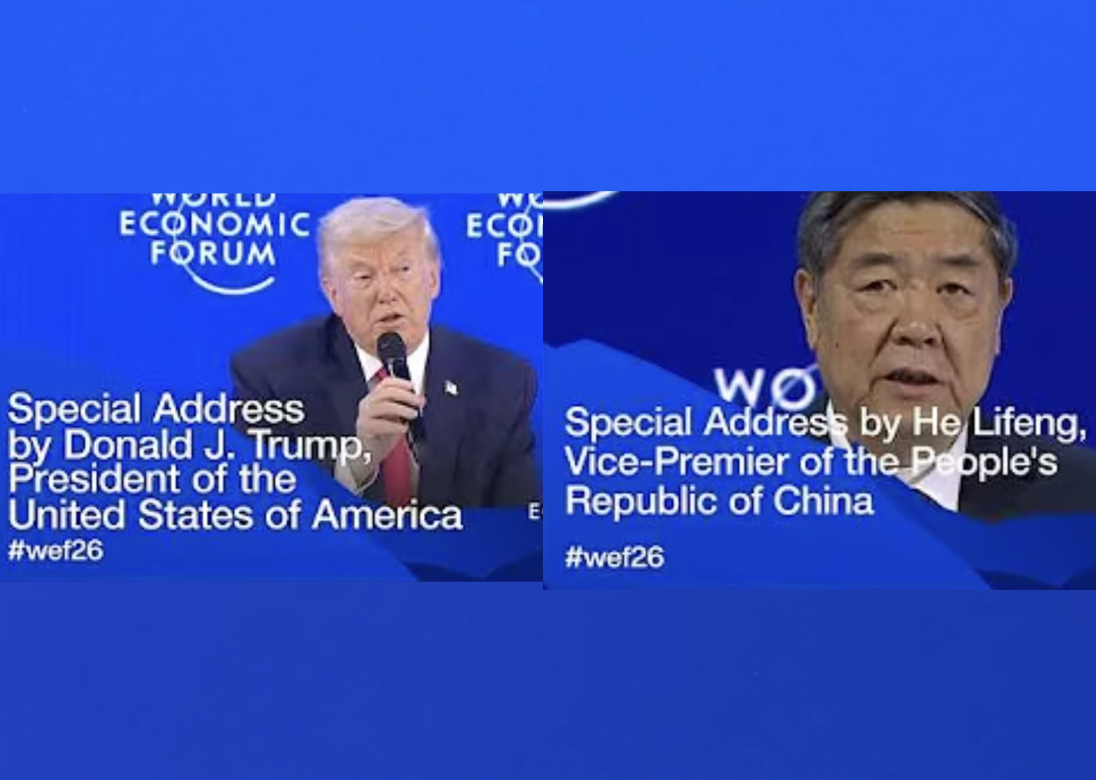
Davos 2026 | Firts Axis of Analysis. United States and China: Middle Class, Domestic Demand and the Industrial Turn
A comparative reading of Trump and He Lifeng’s speeches at Davos 2026 shows how the US and China are reorganising their strategies around middle class wellbeing, domestic demand and a new industrial turn shifting the centre of power from financial assets back to production, energy and material capacity.
-
Davos 2026: Coordinates of the New Geopolitical Era
Geopolitical reading of Davos 2026: from the financial cycle to a new industrial and material era. Reindustrialization, middle class, legitimacy, sovereignty of speed, AI, energy transition and mineral supply chains seen through the lens of geopolitical mining and a redefined social contract.
-

Future Minerals Forum 2026: Reputation, Governance and the New Architecture of Mining
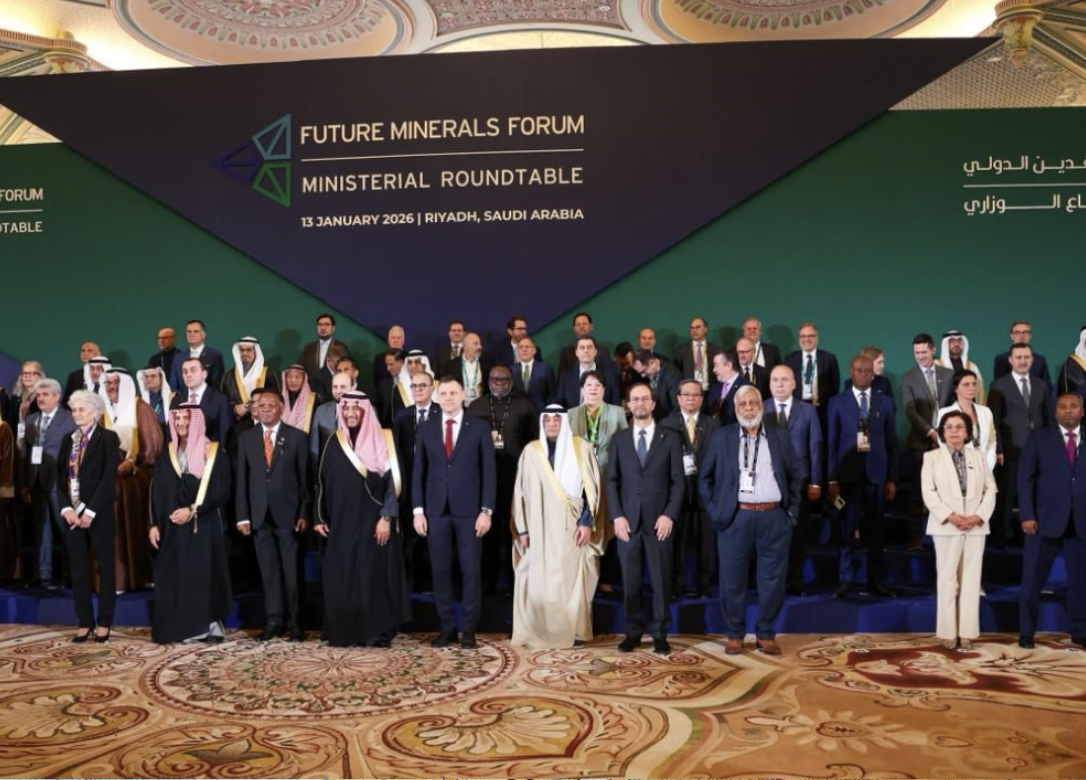
The Future Minerals Forum 2026 in Riyadh brought together over 100 countries, multilaterals and industry leaders to talk about critical minerals, infrastructure and standards. Beyond the headlines, this edition introduced the Future Minerals Barometer, a standing ministerial steering group and a corridor agenda with the World Bank. Paired with a frank debate on mining’s reputation,…
-
Geopolitical Mining Weekly | Week of 12 – 18 January 2026
Geopolitical Mining Weekly examines how five moves, the U.S. Section 232 action on processed critical minerals, the Future Minerals Forum in Riyadh, the EU – Mercosur agreement, Tesla’s Texas lithium refinery and Ontario’s fast tracked Crawford nickel project, are shifting power from ore in the ground to who controls midstream capacity, trade corridors and the…
-

Rare Earths: The US Treasury, Baotou and Crucible
The US Treasury’s G7+ finance meeting, Korea Zinc’s Crucible smelter in Tennessee, and China’s new Baotou rare earth price index are three pieces of the same story: Washington is starting to coordinate supply, demand and price for non Chinese rare earths, while Beijing consolidates its own benchmark
-

Geopolitical Mining Weekly | Week of 5 – 11 January 2026
This week’s five signals show a shared shift, critical minerals risk is no longer driven mainly by geology or spot prices, but by who controls the financial and regulatory toolkit, and how energy and scale reshape bargaining power. Washington brings critical minerals to the finance minister level (G7+), Rio – Glencore tests the consolidation thesis…
-

The Cost of Time in Mining.
A five year permitting delay can erase a third of a mining project’s value, without changing the orebody, the plan, or the metal. Time is not neutral. It’s the hidden variable rewriting copper, lithium and nickel economics.
-
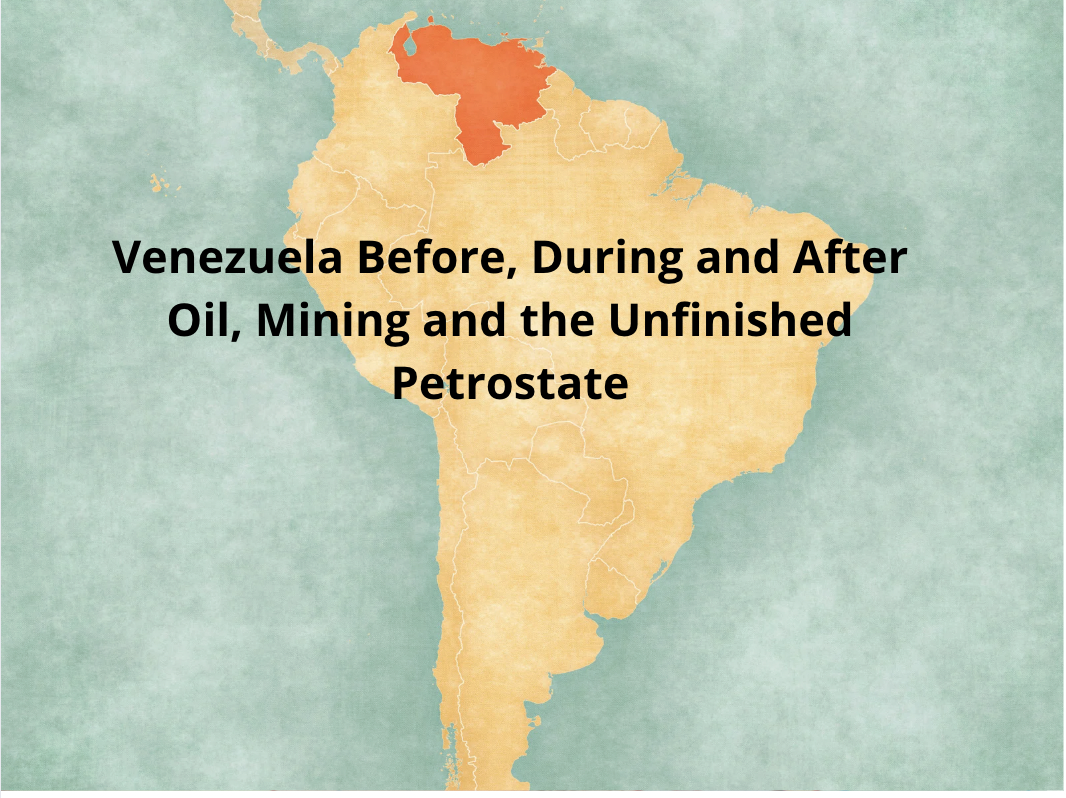
Venezuela Before, During and After: Oil, Mining and the Unfinished Petrostate
Venezuela was once shorthand for oil wealth: a founding OPEC member, a competent national oil company and a modest but real mineral base. Two decades of politicised resource management, sanctions and the rise of illegal mining have turned it into a cautionary tale of how a petrostate can fall below its own potential. This note…
-

When Copper Pays in Yuan: What Zambia’s Tax Shift Really Signals
Zambia’s decision to accept mining taxes in Chinese yuan is more than a headline about “de-dollarisation”. It is a live test of how a copper-dependent state rewires its fiscal plumbing when China is simultaneously main buyer, creditor and investor. This note looks at what actually changed, how it reshapes currency risk and what it means…