Geopolitical Mining
Mining, critical minerals and the forces shaping global power.
Clarity. Strategy. Global context.
The Geopolitical Mining platform analyses mining as a geopolitical, institutional and strategic system. We examine how decisions about resources, investment and technology shape industrial policy, national security and the balance of power.
Drawing on the framework developed in Mining Is Dead. Long Live Geopolitical Mining, we produce public knowledge about how this system works. Our analysis connects the practical realities of mining projects with supply chain security, territorial legitimacy and the strategic choices facing companies and countries.
Explore our mining and geopolitical analysis
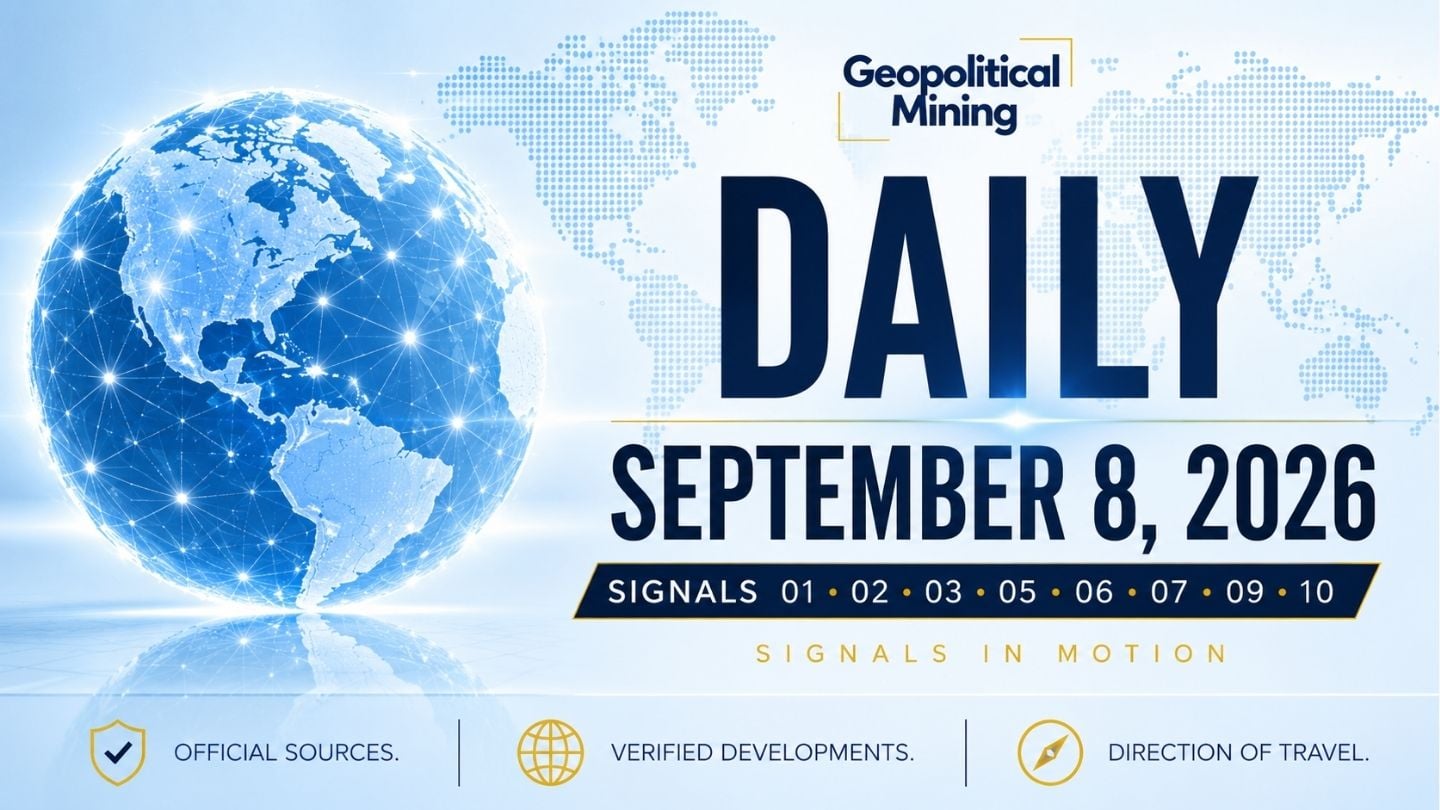
Geopolitical Mining Daily
The Daily selects news on mining and critical minerals, explaining what has happened, how far each decision has progressed and what it means for companies, investors and security of supply.
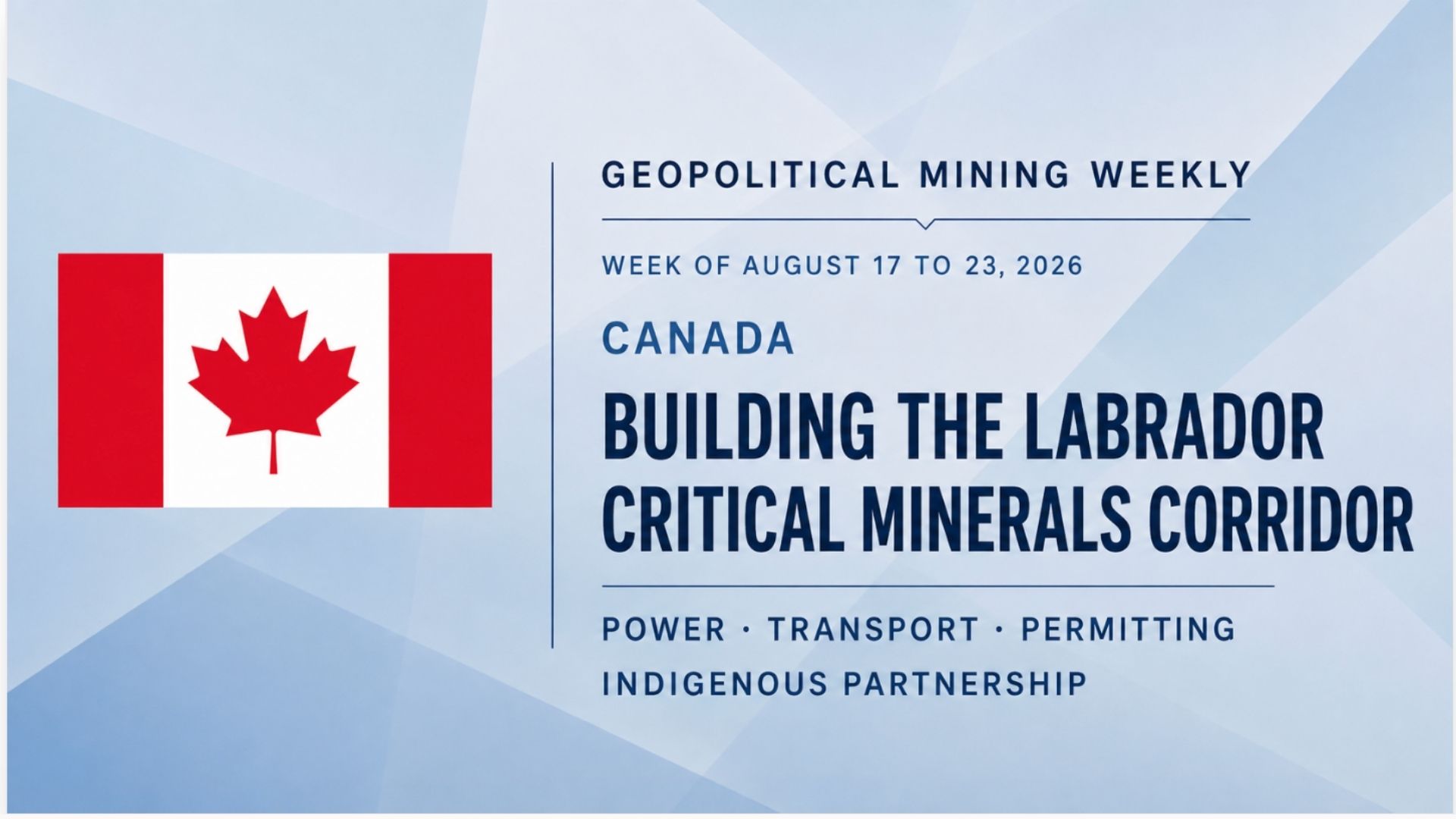
Weekly Geopolitical Mining Review
The Weekly connects the decisions and developments shaping mining and energy, explaining their significance for investment, industrial strategy and national security.
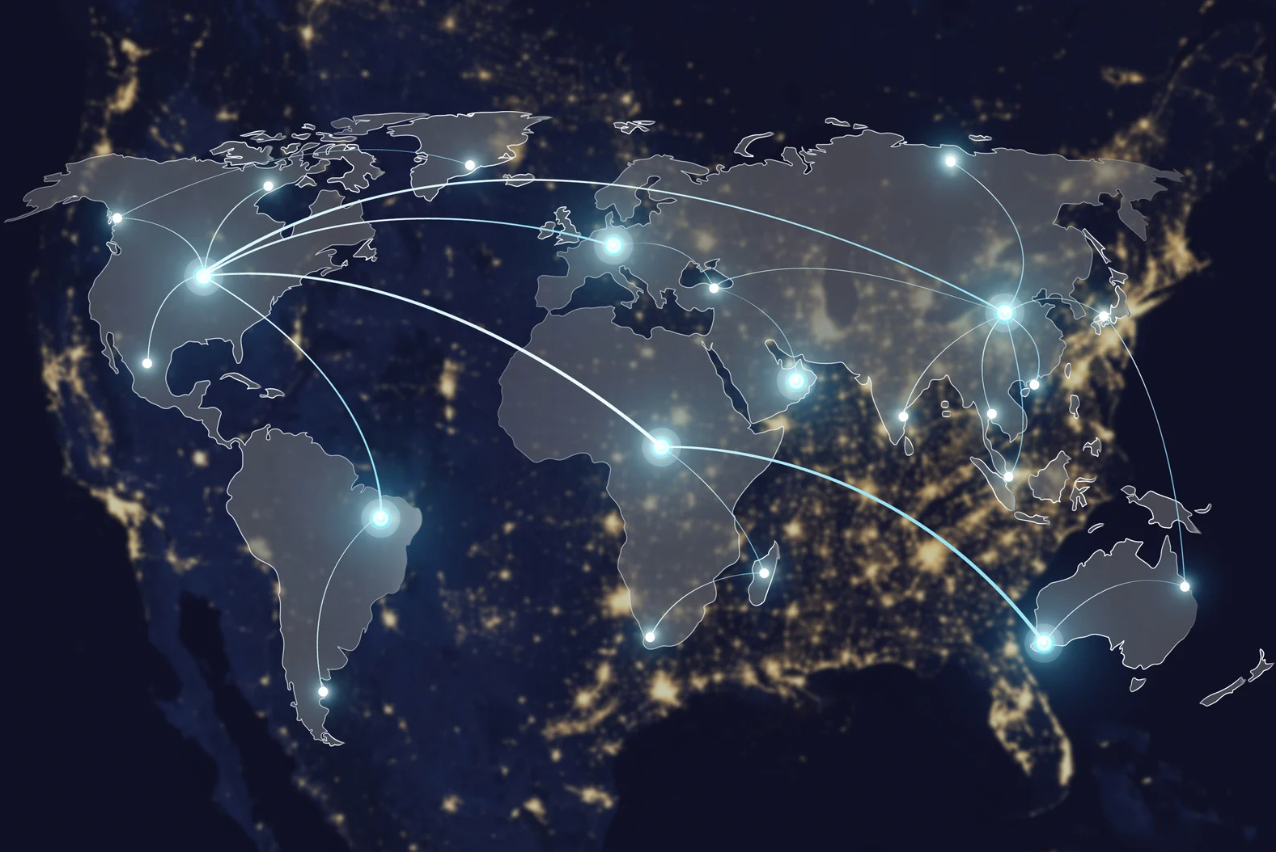
Country & Region Analysis
We examine how countries develop their resources, organise investment and build industrial capability. Our analysis follows China, the United States, Canada, Latin America, Africa and other regions through their policies, projects and strategic choices.
Articles & Essays
Our essays examine the decisions reshaping mining, from industrial policy and energy security to artificial intelligence and project finance. Each piece explores the connections between companies, institutions and geopolitical change.
GM Signals
GM Signals follows the forces shaping mining and strategic competition. We track changes in capital, technology and state policy, returning to each signal as new evidence emerges.
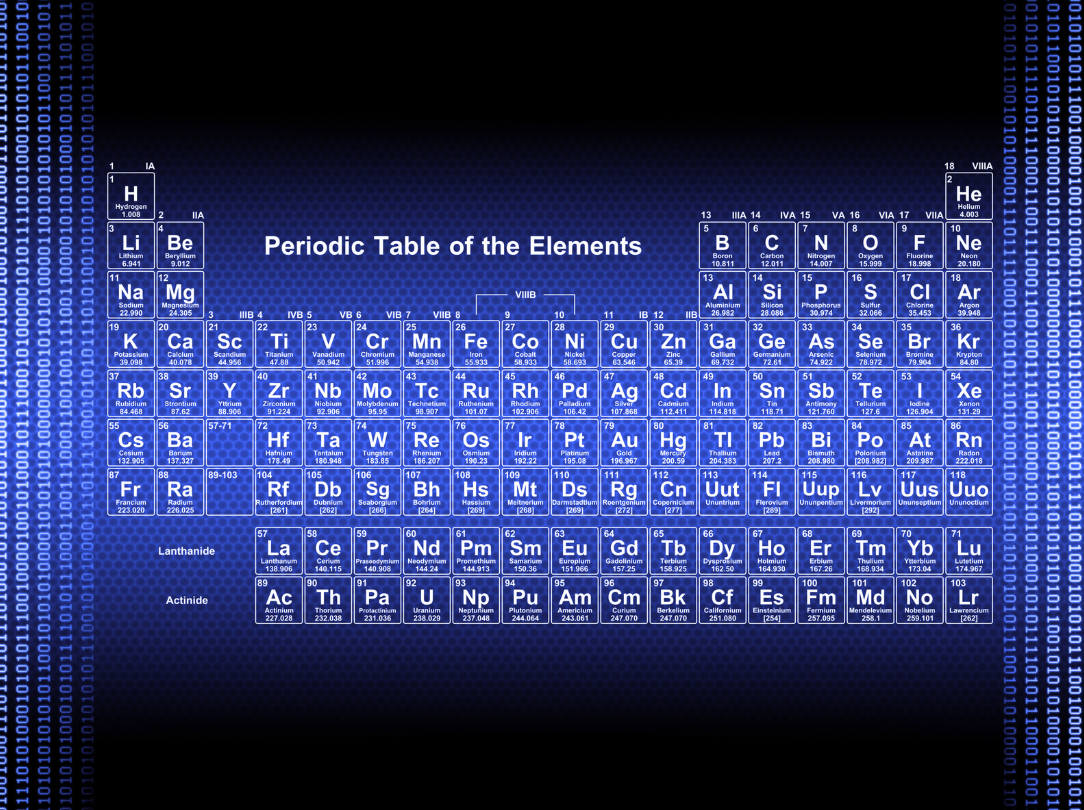
Critical Minerals
Our mineral research covers copper, rare earths, uranium, lithium and other strategic materials. We examine their uses, production and processing, and what changes in supply and demand mean for industry and investment.
People, experience and perspective
Who is behind Geopolitical Mining
The Geopolitical Mining platform is led by Marta Rivera Muñoz and Eduardo Zamanillo, bringing together sociological analysis, mining experience and geopolitical strategy.
Our work connects the practical experience of mining with institutions, capital and territorial relationships. We examine what enables projects to advance and how the decisions of companies and governments shape their contribution to industrial and national strategies.
Our perspective
Much public debate treats mining mainly through the lens of the energy transition. We start from a broader premise: mining is part of the material foundation of modern life. It supports industry, infrastructure, digital systems, defence and everyday consumption. The energy transition is one important part of a much wider material reality.
That premise shapes the questions we ask and the conclusions we reach. We examine each case through its context, decisions and outcomes.

Marta Rivera Muñoz
Cofounder · Geopolitical Mining
Marta contributes sociological analysis and strategic communication, with a focus on legitimacy, institutions and the relationship between mining and society.

Eduardo Zamanillo
Cofounder · Geopolitical Mining
Eduardo brings experience in mining, project evaluation and business development, connecting technical judgement with investment decisions and the realities of operating a mine.
For editorial, institutional or strategic inquiries:
contact@geopoliticalmining.comOur intellectual foundation
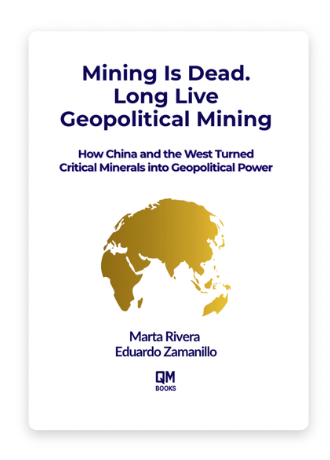
Mining Is Dead. Long Live Geopolitical Mining
The foundational book by Marta Rivera and Eduardo Zamanillo examines how critical minerals, industrial policy, legitimacy, capital and state power are reshaping the global order.
It explains mining’s place at the centre of national security, technological autonomy, supply chain resilience and geopolitical competition. The platform carries this work forward through ongoing analysis of companies, projects and the strategies of countries.
The framework behind the platform
The Geopolitical Mining framework
The Geopolitical Mining framework explains the conditions through which mineral resources can become viable production, industrial capability and geopolitical power. Its five connected levels provide a way to examine how projects develop, how institutions function and how countries build strategic influence.
-
Material foundation
The resources and systems that sustain industry, technology and modern life.
-
Mining viability
The technical, financial and institutional conditions that allow projects to produce and endure.
-
Formal mining order
Rights, institutions, territorial authority and responsibilities operating in practice.
-
Industrial position
Processing, technology, knowledge and market access that create strategic capability.
-
Geopolitical power
Capabilities that strengthen resilience, negotiating capacity and strategic choice.
Why Geopolitical Mining matters
Minerals sit at the centre of industrial strategy, technological competition and national security. The growth of artificial intelligence and data centers connects copper demand with the need for reliable electricity and new infrastructure. Access to resources, processing capacity and energy influences where investment goes, which industries can grow and how countries strengthen their position in the global economy.
Geopolitical Mining follows these connections through the decisions of companies, governments and investors. We examine how projects secure financing and move through permitting, how industrial policies shape markets, and how infrastructure and technology affect the ability to produce. Together, these decisions help explain where strategic dependencies arise and how mineral resources become industrial capability and geopolitical power.
We support mining and its contribution to economic and social development. As part of the material foundation of modern life, the industry deserves a public conversation informed by the experience of those who develop and operate its projects. Companies should have space to explain their decisions, the difficulties they encounter and how they respond. We study that experience alongside the work of governments and communities, sharing lessons from successful projects, setbacks and the practical efforts to resolve problems.

Briefing
Subscribe to the Geopolitical Mining Briefing
Monthly roundup of our latest Articles, Country & Region analysis, Critical Minerals research and selected GM updates.