Country & Region Analysis
-
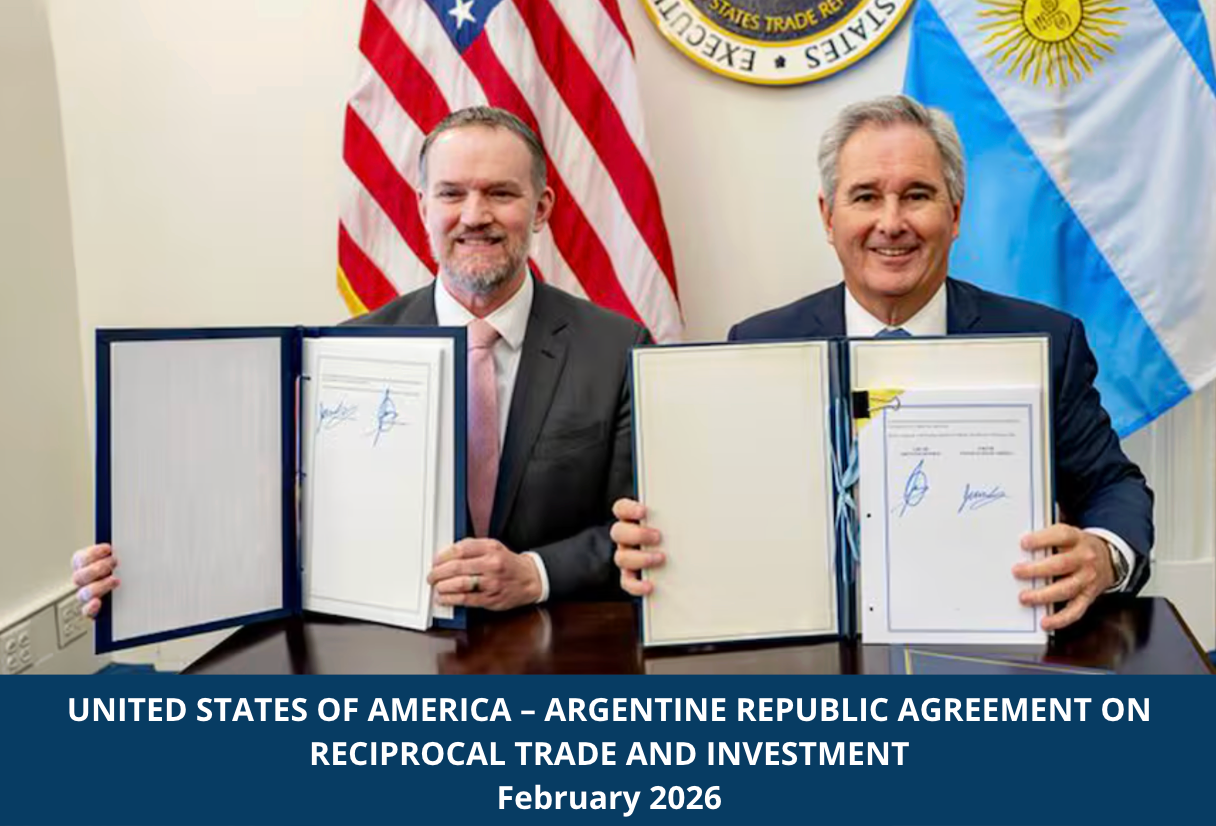
The Day USA Locked in a Critical Minerals Deal with Argentina, and the Questions It Raises for Chile
Washington’s ARTI with Argentina and its parallel Strategic Framework make critical minerals part of a wider security and industrial architecture. Argentina enters through an explicit lane with finance attached. The move raises practical positioning questions for the Southern Cone, including Chile.
-
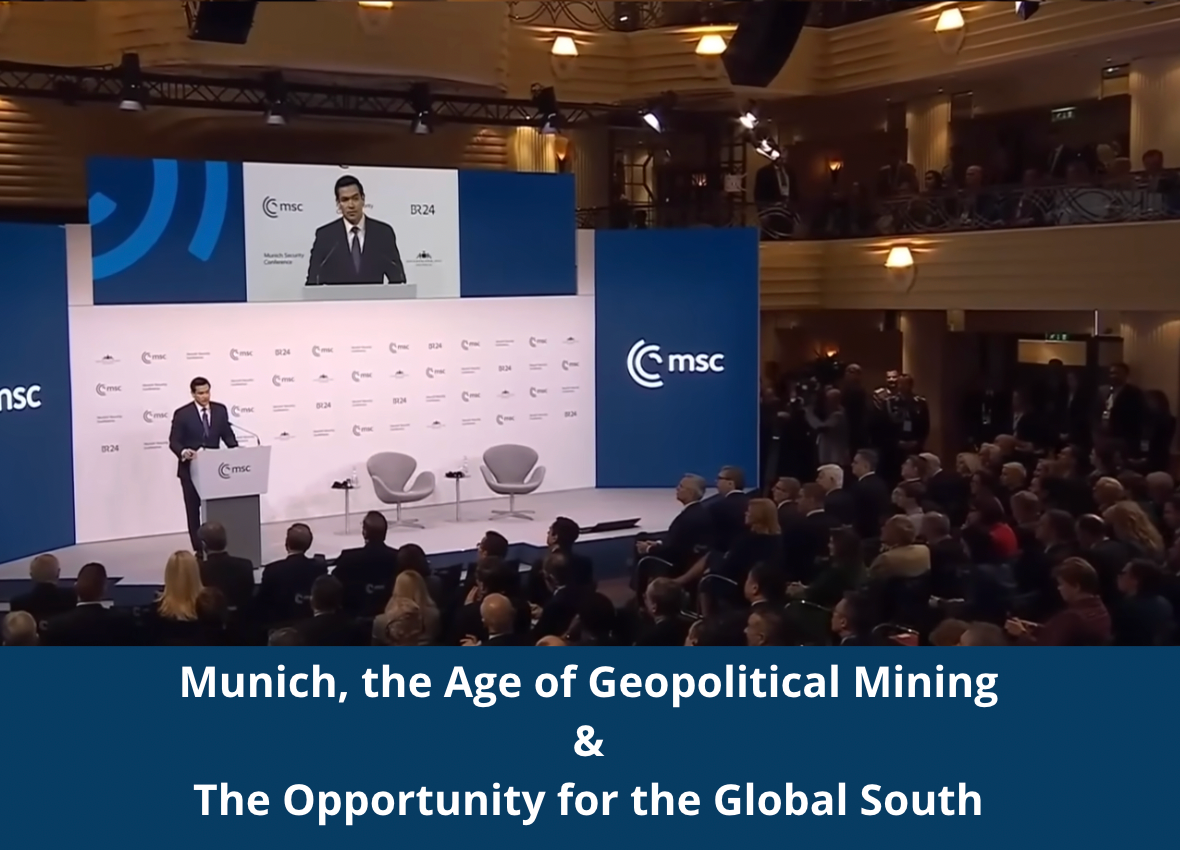
Munich, the Age of Geopolitical Mining and the Opportunity for the Global South
This article reads the 2026 Munich Security Conference through a Geopolitical Mining lens. It shows how the US, China and Europe now talk explicitly about minerals, industrial capacity and supply chains as strategic assets, and how that shift opens a window for the Global South. It also maps the risks that Munich did not fully…
-
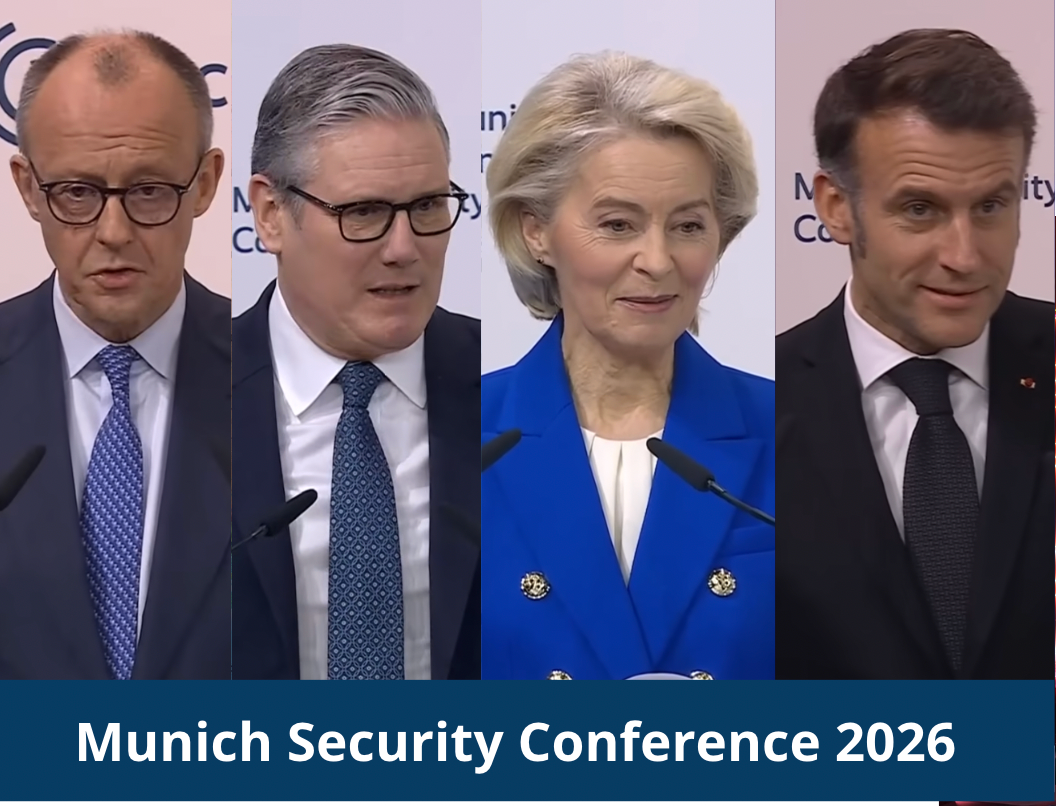
Europe Wakes Up: How Merz, von der Leyen, Starmer, and Macron Are Grasping the New Moment
This article reads the Munich speeches by Chancellor Merz, President von der Leyen, Prime Minister Starmer and President Macron as a single European message on power, industry and security. It shows how all four now treat raw materials, technologies and supply chains as instruments of power, how they link European independence to industrial capacity and…
-
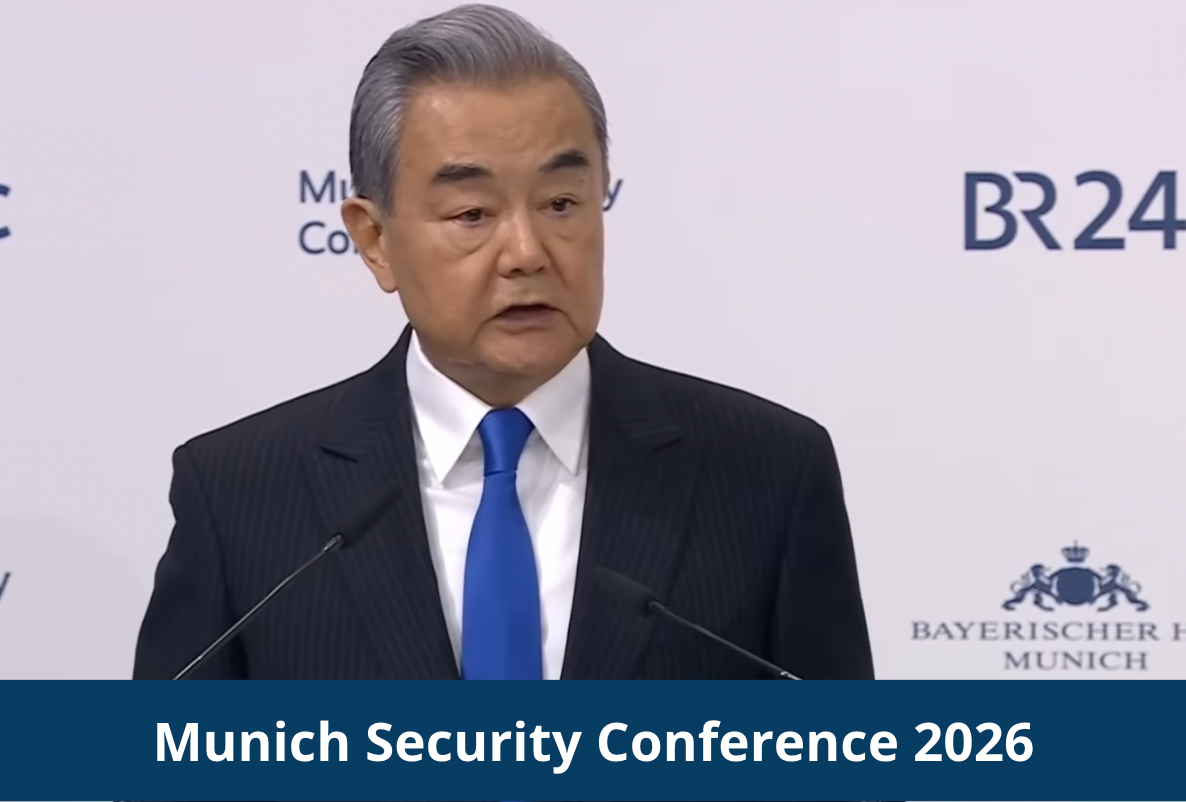
Conversation with China. What Wang Yi’s Munich Speech Signals for Global Governance
Why does Wang Yi’s Conversation with China in Munich matter for anyone working with critical minerals, investment or policy? This article uses his speech to map how China frames global governance today, from the role of the UN and true multilateralism to the rise of the Global South and China-Europe relations, and what that means…
-
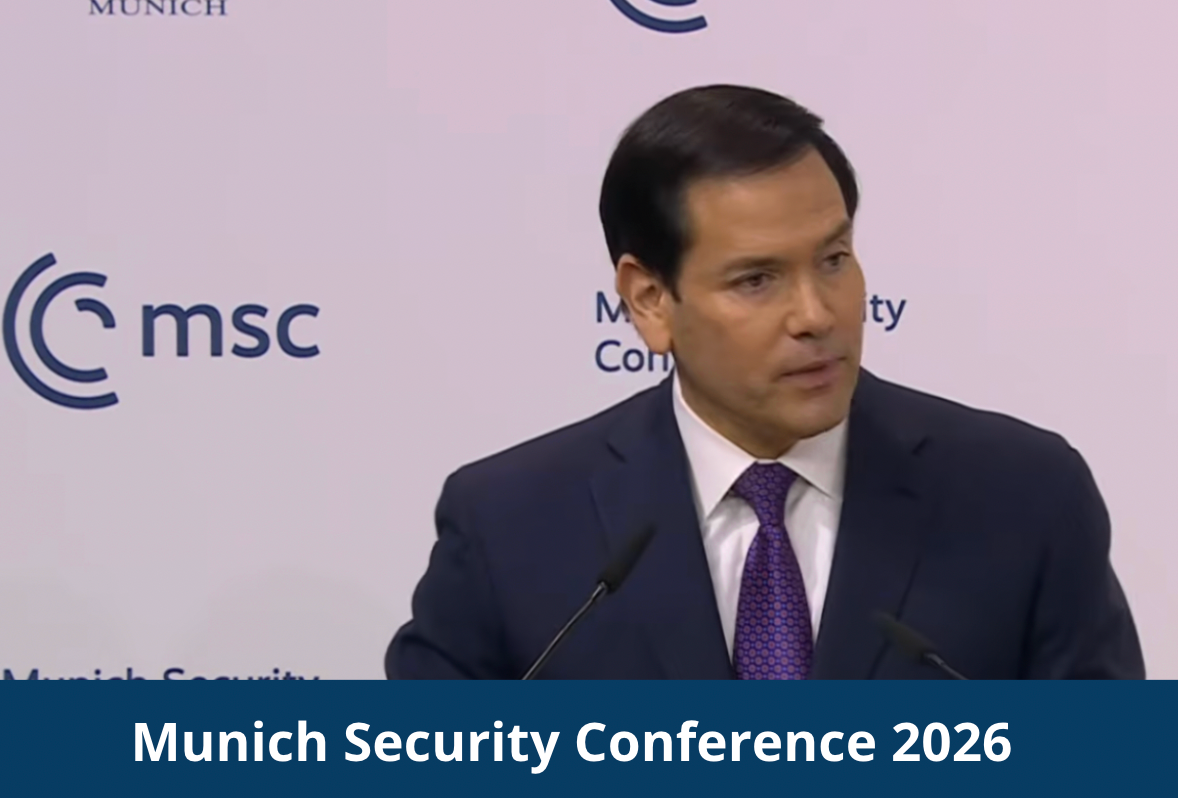
Critical Minerals in Munich, Reading Rubio’s Speech as a Strategic Signal
Why does Rubio’s Munich speech matter if you work with critical minerals, investment or policy? This article uses his remarks to map how the West is now framing deindustrialisation, supply chain sovereignty and the idea of a Western critical minerals chain, and what that could mean for Europe, producing countries and future capital allocation.
-
Sixty Days for Mexico: How a Short Action Plan Opens a Long Critical Minerals Game
Washington and Mexico City have agreed on a 60 day Action Plan on critical minerals. The text is brief, but it creates a structured space to decide which minerals and which projects will anchor the U.S.-Mexico corridor and how that will connect to the 2026 T-MEC review. The article explores what the Plan actually commits…
-
U.S. Investments in the Era of Geopolitical Mining
The U.S. is no longer just talking about critical minerals, it is funding specific mines, processing plants, recycling projects and a strategic reserve, at home and across allied jurisdictions. This article looks at where more than $30 billion in public support is actually going, what parts of the value chain it targets, and how this…
-
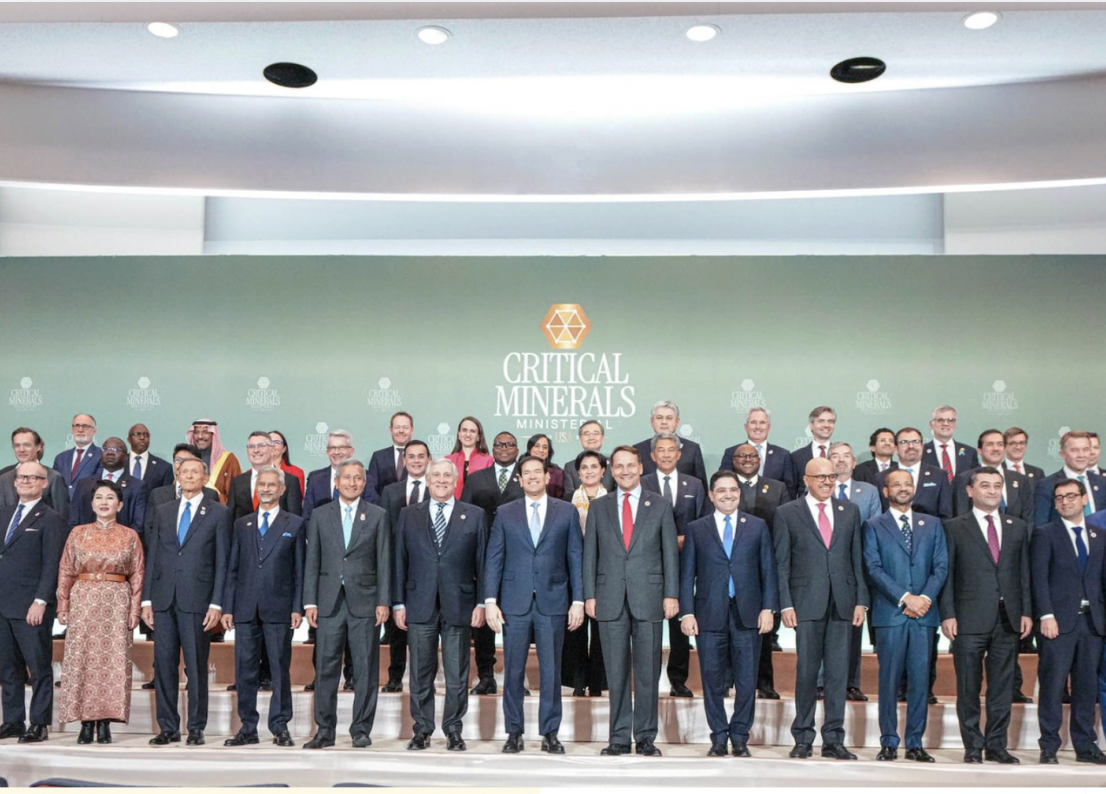
Welcome to the Era of U.S. Geopolitical Mining
The U.S. is no longer talking about critical minerals. It is building an architecture: price floors, stockpiles, public–private capital and a bloc of allies. This ministerial may well be the moment when critical minerals formally entered the core of Western industrial strategy.
-
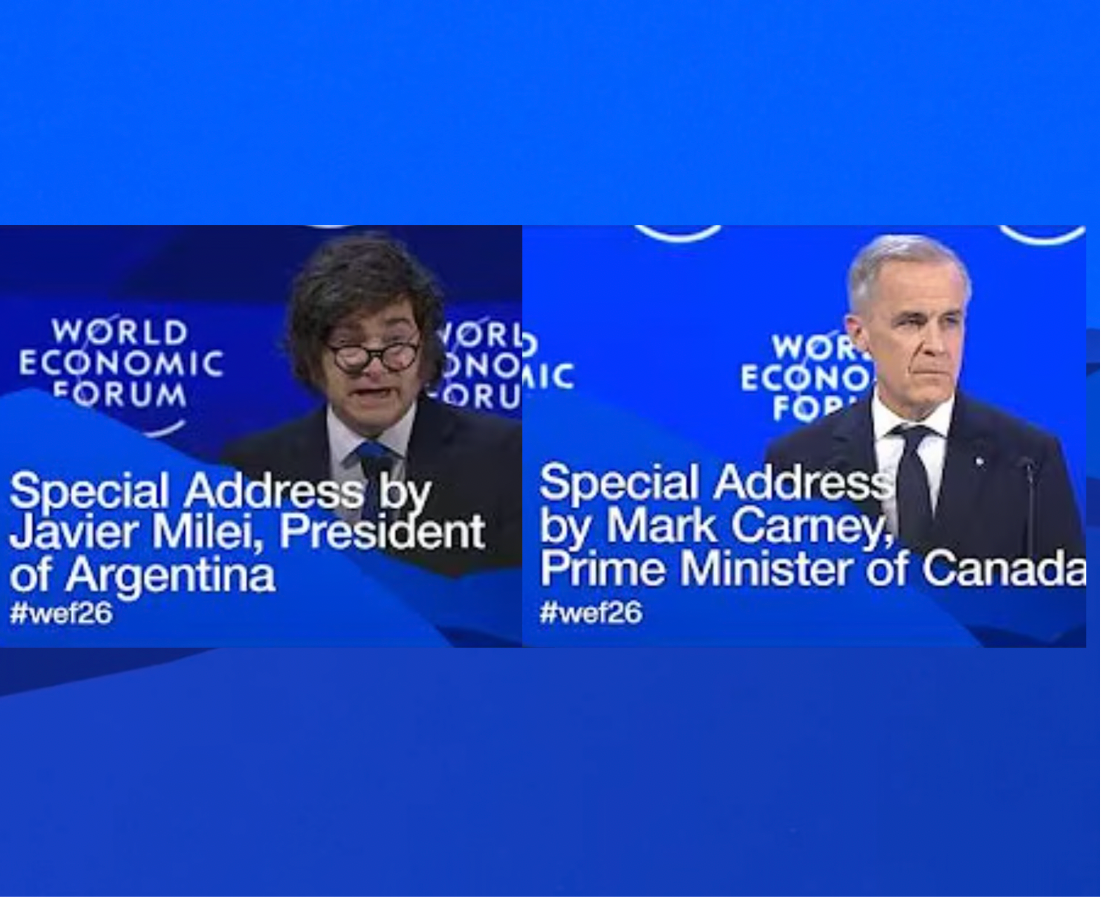
Davos 2026 | Fifth Axis of Analysis. Milei and Carney: Values, Order and the West’s Internal Conversation
Javier Milei and Mark Carney bring the normative layer of Davos 2026 to the surface: what “the West” stands for, how values should shape alliances and economic tools, and why the credibility of a rules based order will depend on aligning its moral narrative with its material decisions, including in mining and critical minerals.
-
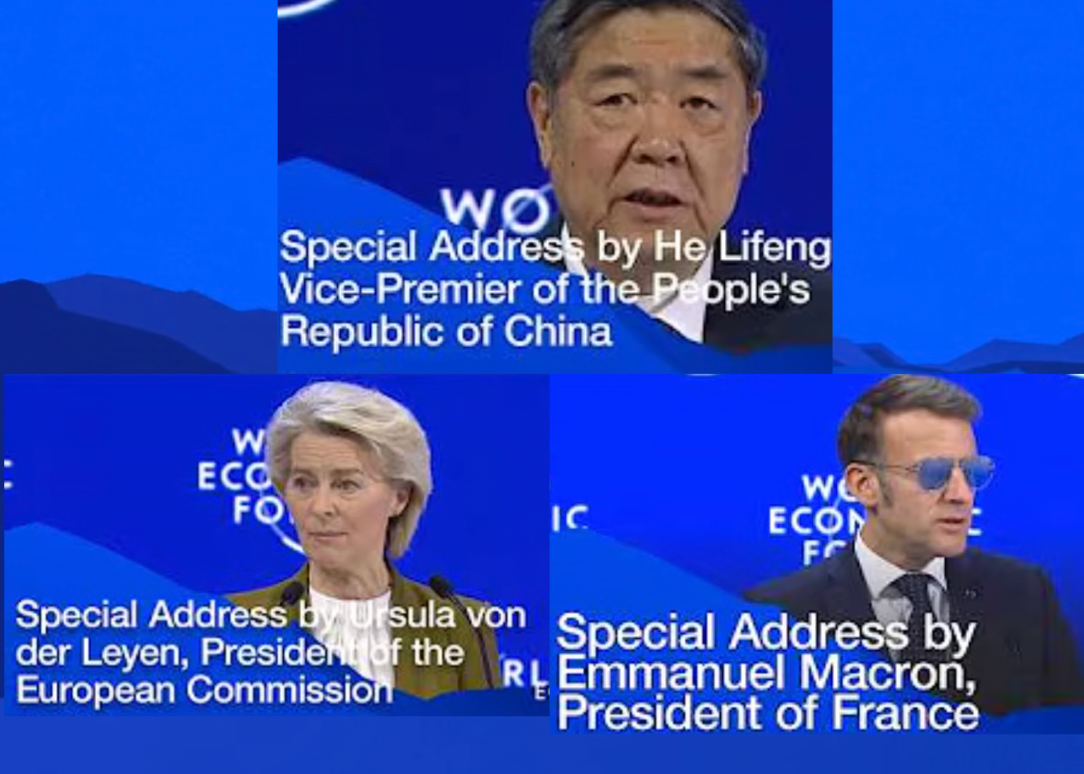
Davos 2026 | Fourth Axis of Analysis. Europe (Von der Leyen and Macron) and China: How the New Order Is Being Narrated
Von der Leyen, Macron and He Lifeng offer three overlapping visions of the new order: a Europe seeking strategic independence and protection from coercion, and a China defending globalisation and a reformed multilateralism. Together, they show how rules, trade and supply chains are becoming explicit tools of power and inclusion.