Country & Region Analysis
-
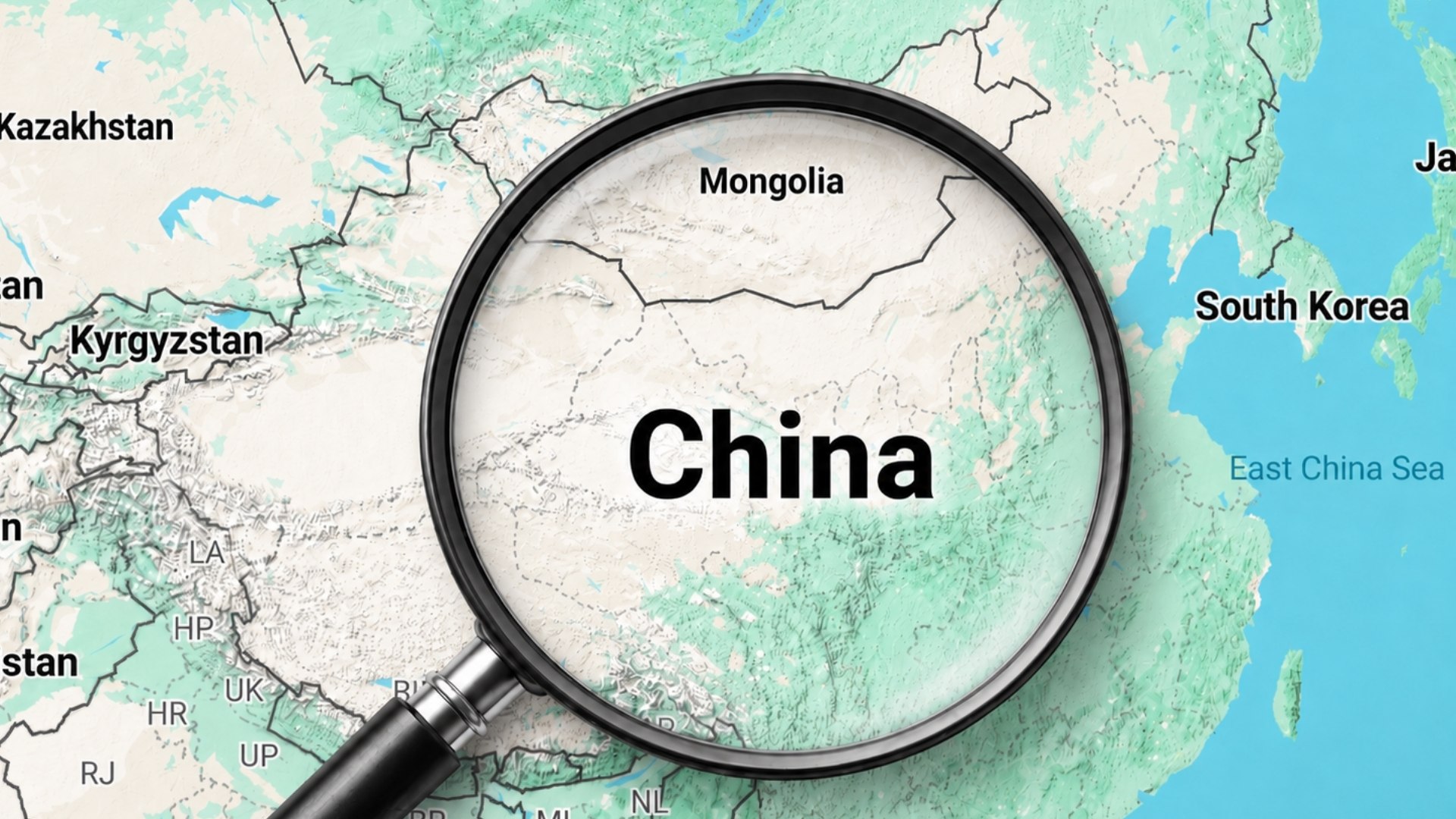
China’s Mineral Security Playbook Moves Into Law
China’s new Mineral Resources Regulation turns mineral policy into an operating system. Beijing is linking geology, project control, strategic minerals, reserves, emergency capacity, foreign investment and supply chain defense into one framework for resource security and industrial resilience.
-
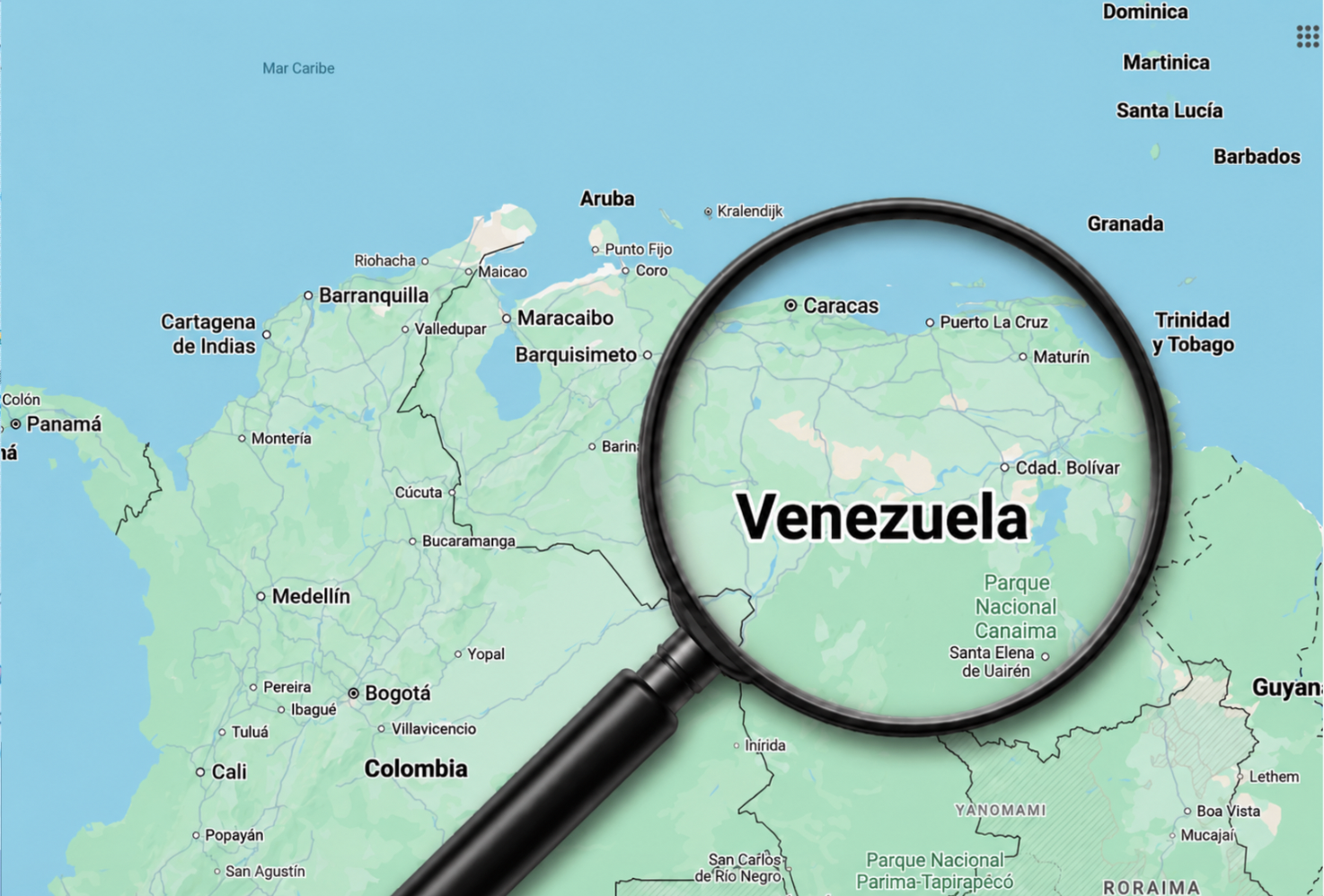
Venezuela’s Mining Opening: Mineral Wealth, New Law, and the Three Tests of Viability
Venezuela has mineral wealth, a new mining law and renewed strategic relevance. But its real mining question is whether territory, governance, energy and infrastructure can convert mineral endowment into formal, traceable and durable supply.
-
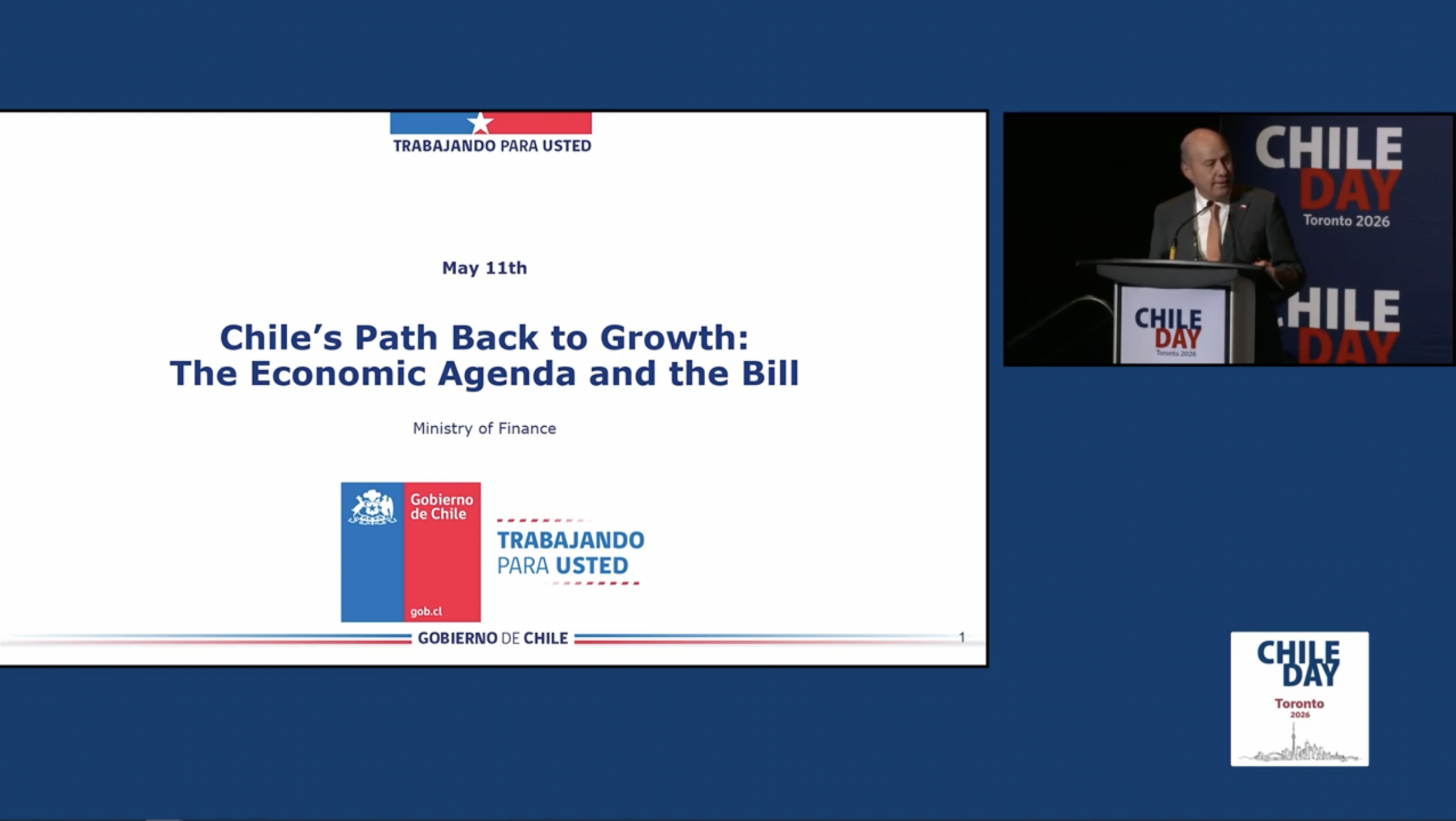
Chile Day Toronto: Chile Wants Investors Back. Mining Needs a Country Level Commitment
Chile Day Toronto 2026 through a mining viability lens: Chile wants investors back, but mining capital will look for permitting discipline, fiscal visibility, infrastructure, water security and political continuity.
-
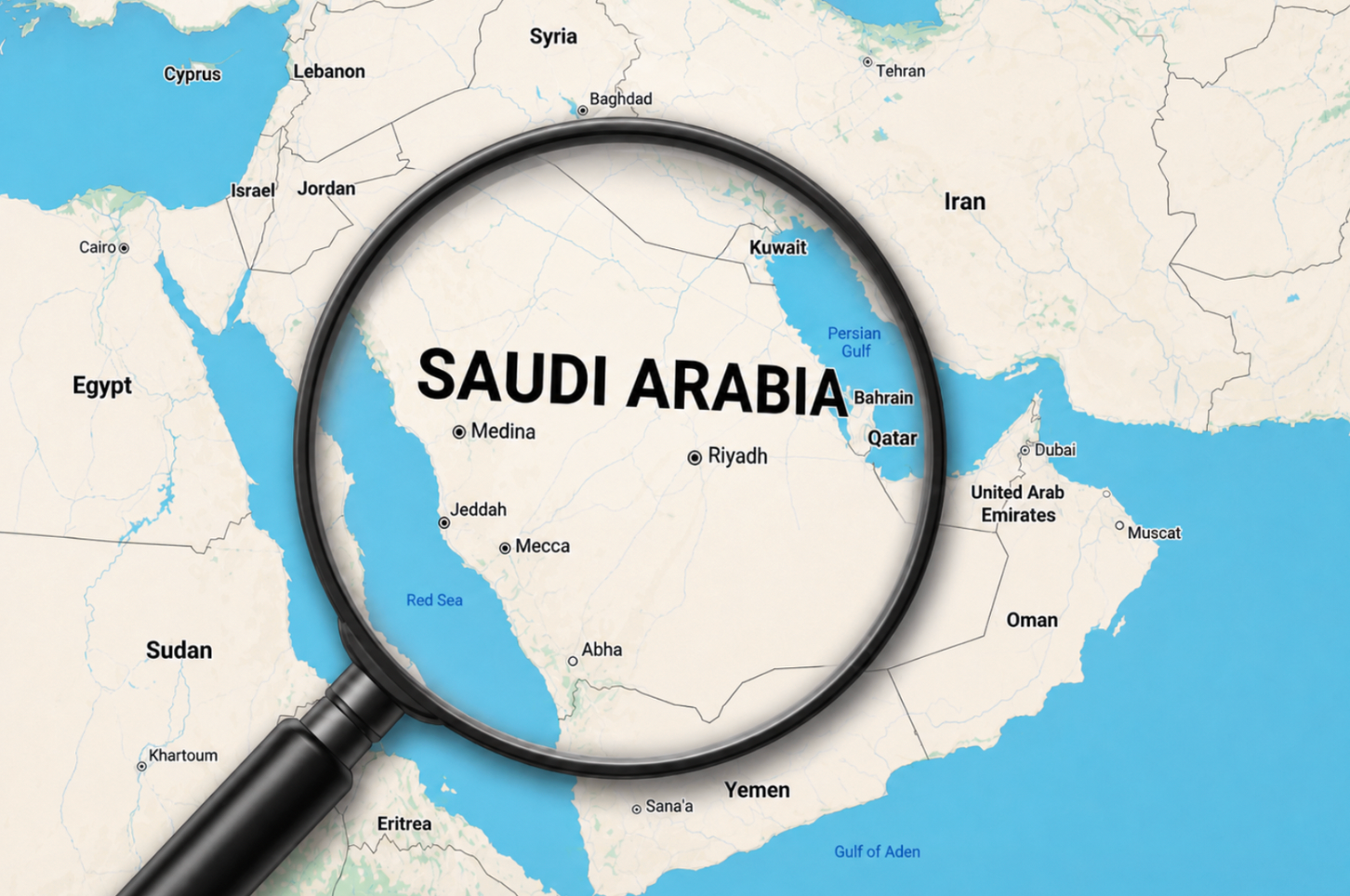
Saudi Arabia’s Mineral Strategy: Vision 2030 in an Era of Geopolitical Challenges
Saudi Arabia’s mineral strategy is advancing from a mineral-industrial base into more strategic segments of the critical minerals economy. Vision 2030, Ma’aden, PIF, Manara and the Future Minerals Forum have given the Kingdom strong foundations; the next phase will unfold in a more contested geopolitical landscape shaped by U.S. critical minerals policy, Gulf resilience and…
-

The United States as a Strategic Enabling State in the Era of Geopolitical Mining
The United States is emerging as a case study of the strategic enabling State in critical minerals: coordinating capital, markets, defense, alliances and processing to turn mineral exposure into material power.
-
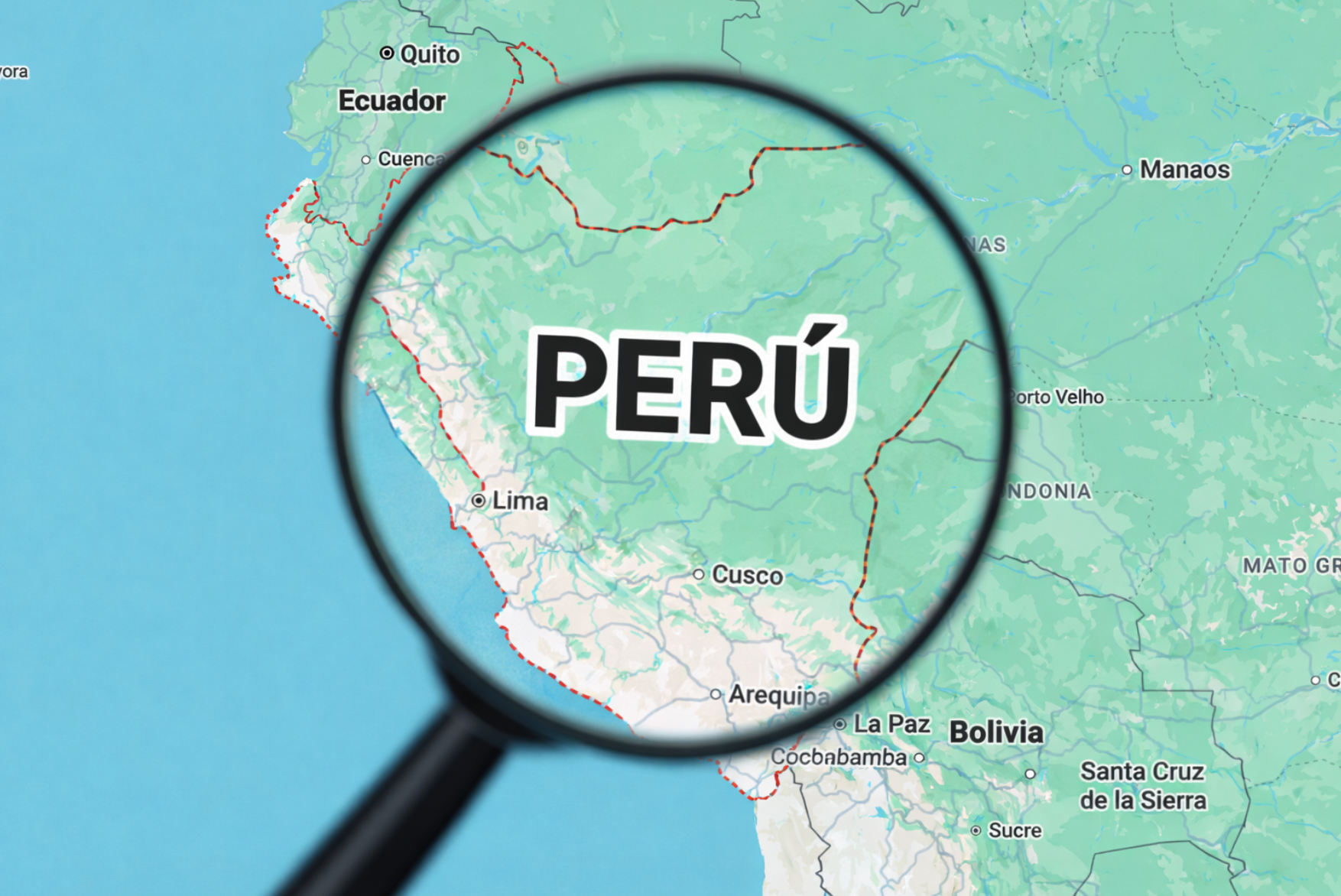
Peru 2026: A Presidential Election, a Central Bank Succession, and the Mining System at Stake
This is an important year for Peru because the country is facing a presidential transition and a central bank succession at the same time. In a mining economy that has remained economically coherent despite repeated political turnover, the key question is whether that continuity can still hold.
-
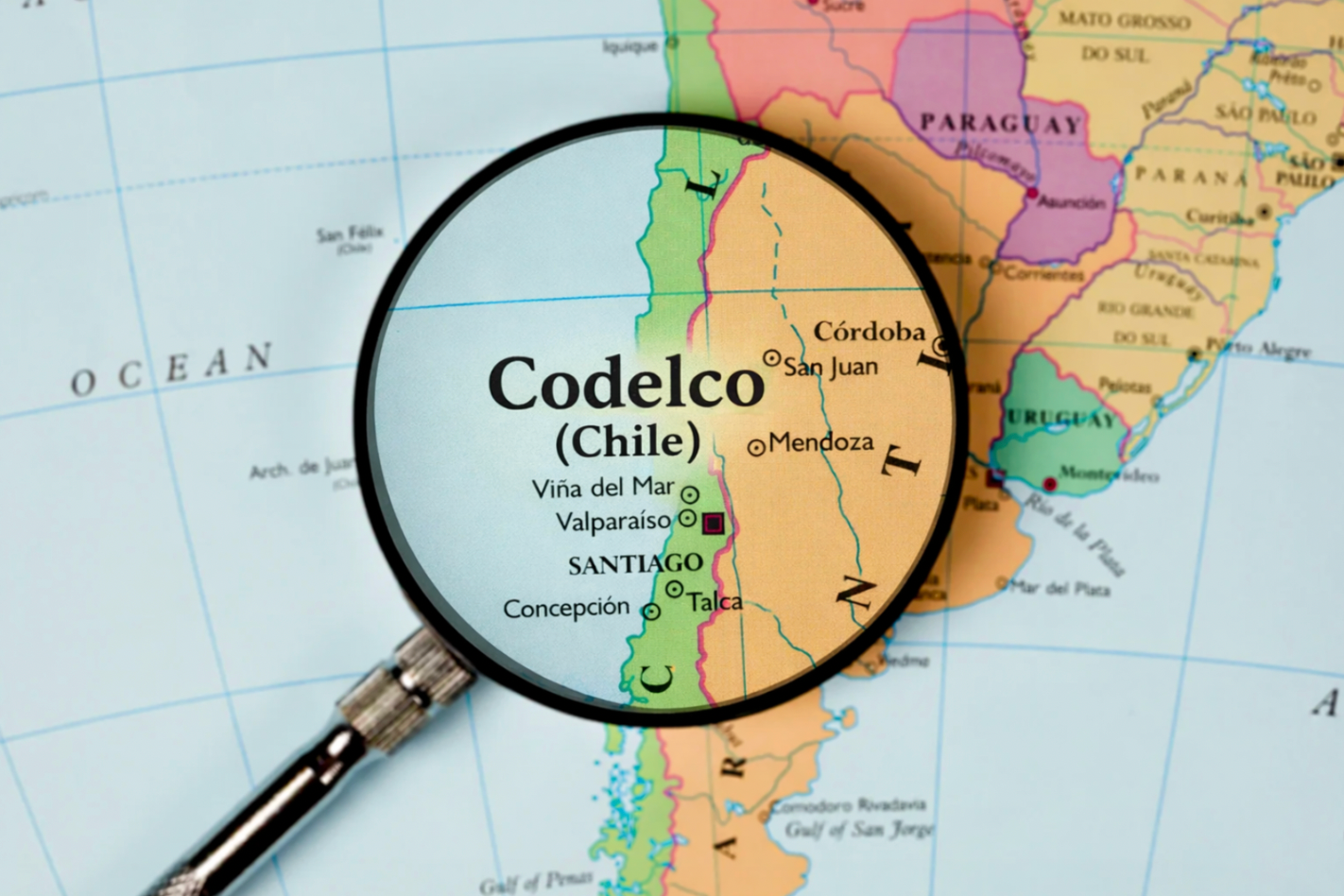
Codelco (Chile): A State Operator Under Pressure in the Age of Geopolitical Mining
Codelco is worth watching not only because of its scale, but because it reveals something larger about the new era of geopolitical mining. Chile created Codelco to operate, to capture rent, and to turn copper into national development. The question now is whether that model still works under the more demanding conditions of today’s mining…
-
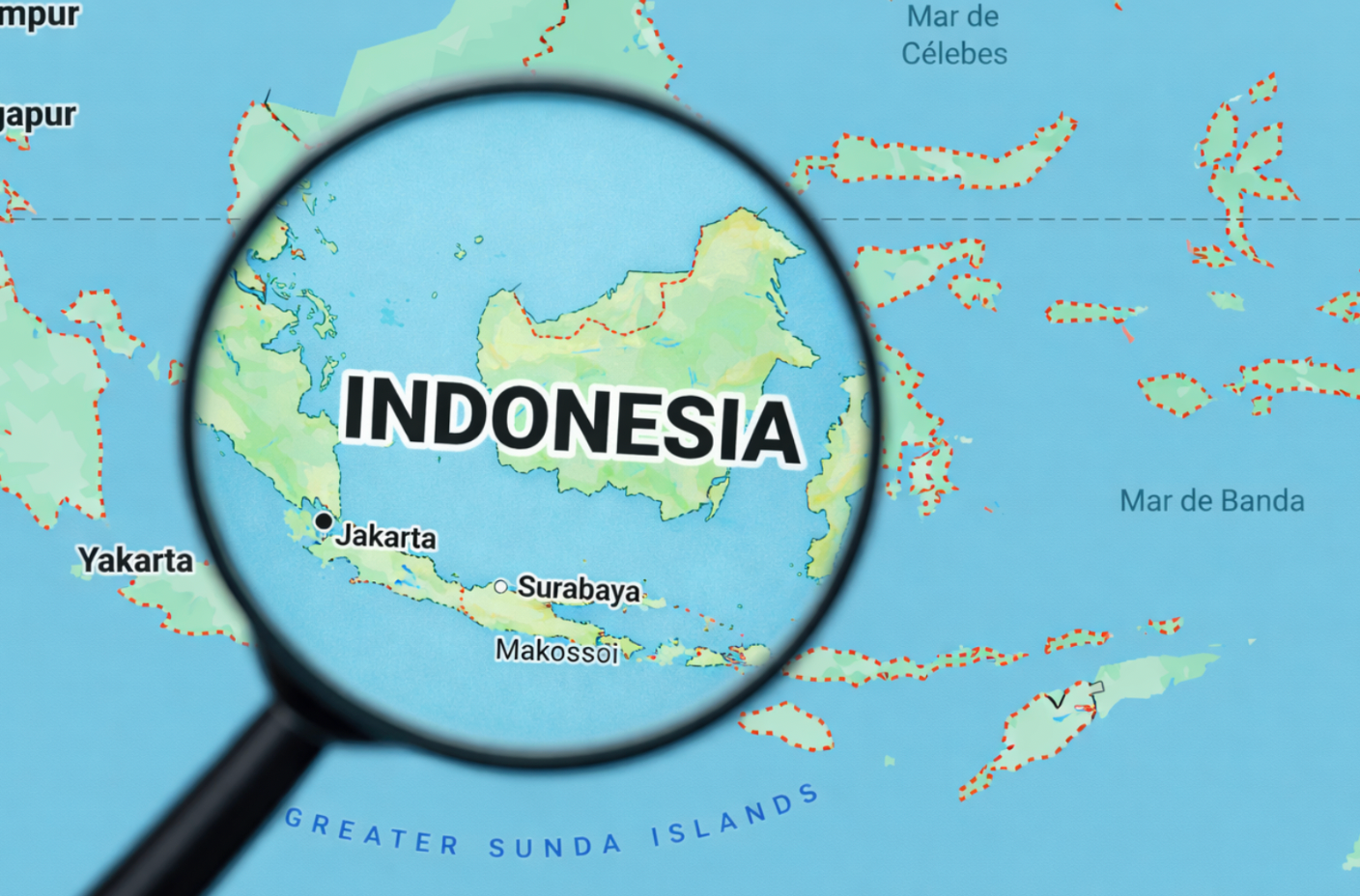
Indonesia: A Country to Watch in Geopolitical Mining
Indonesia is becoming one of the clearest cases in geopolitical mining. By moving more of the value chain onshore and building industrial depth at home, it is turning mineral abundance into greater strategic room for manoeuvre.
-

China’s 15th Five Year Plan, 2026-2030 | Real Economy, Strategic Resources and the Next Development Stage
China’s 15th Five Year Plan offers a clear picture of how Beijing wants to organize the 2026–2030 cycle: around the real economy, domestic demand, strategic resources and regional integration. From a geopolitical mining perspective, the clearest signal lies in the stronger upstream emphasis now given to exploration, deposits, reserves, key mines and supply security.
-
Venezuelan Gold and the First Test of a U.S. Aligned Route
This first Geopolitical Mining Case Note examines why Venezuelan gold may matter to Washington now, and what this reveals about law, refining, custody and strategic mineral routes.