Country & Region Analysis
-
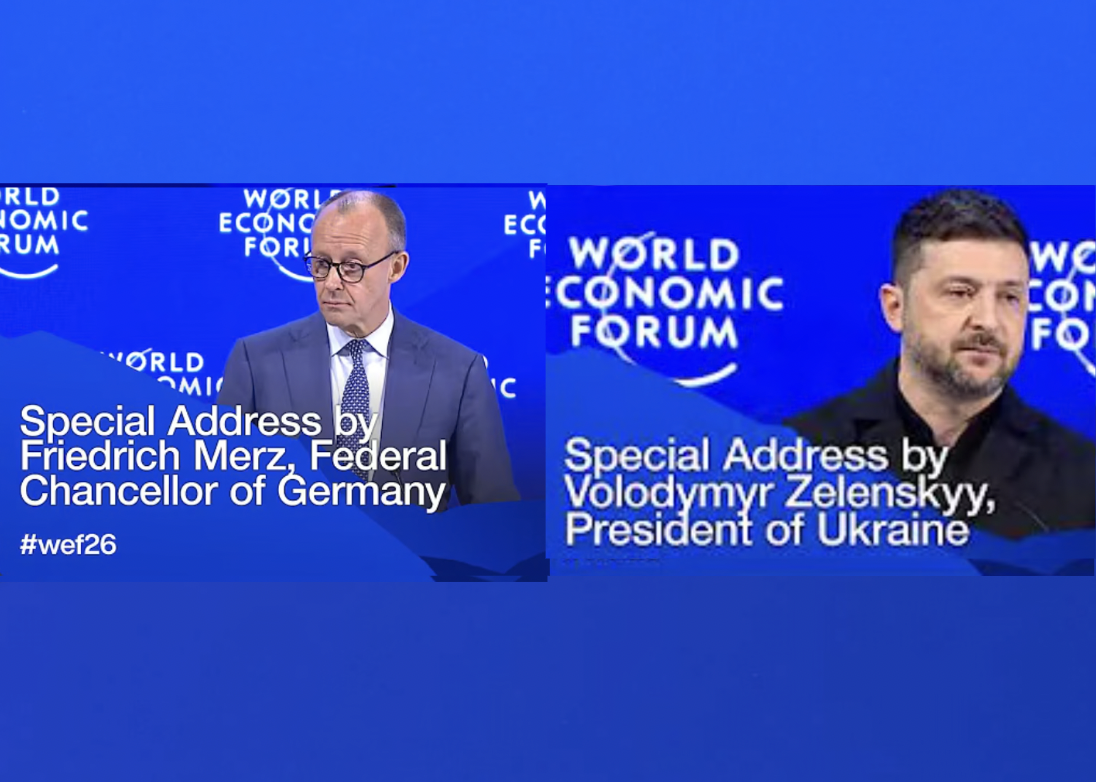
Davos 2026 | Third Axis of Analysis. Germany and Ukraine: European Security and State Speed
Through the voices of Friedrich Merz and Volodymyr Zelenskyy, Davos 2026 exposes Europe’s key tension: an ambitious redesign of security and competitiveness on paper, and institutions that still struggle to act at the speed demanded by war, reconstruction and a harsher geopolitical environment.
-
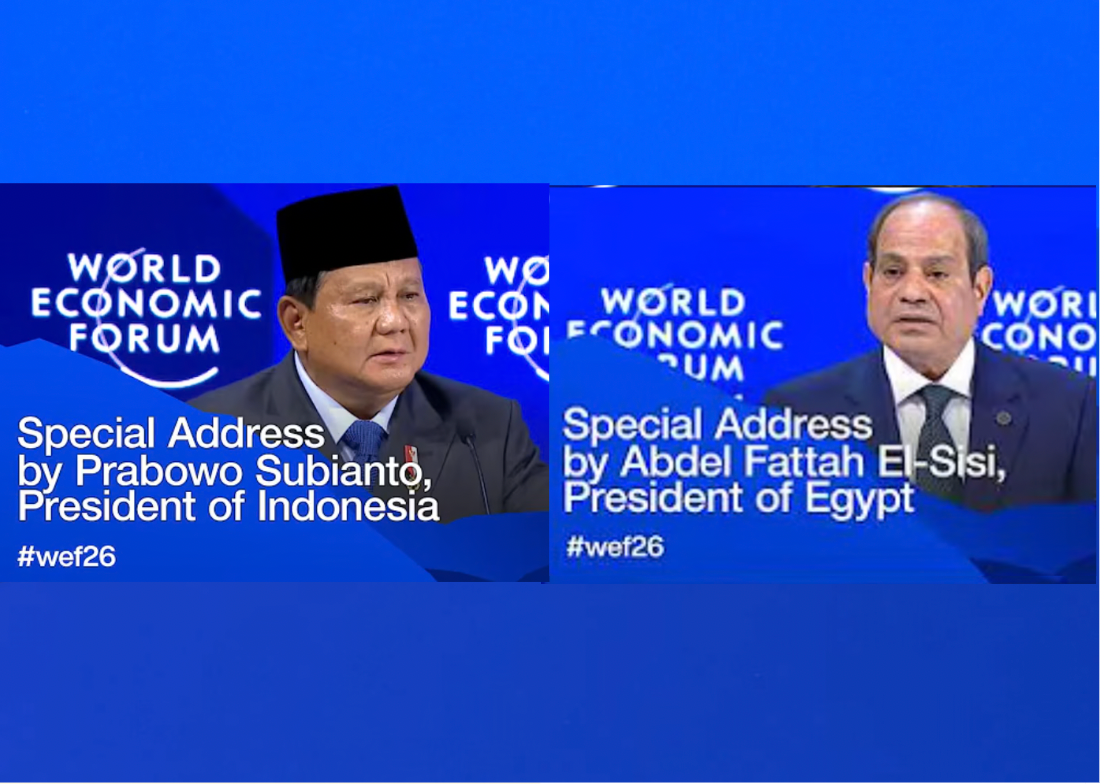
Davos 2026 | Second Axis of Analysis.Indonesia and Egypt: Stability, Growth and the Social Contract in the Global South
Indonesia and Egypt use Davos 2026 to redefine stability as a competitive asset, linking peace, social policy, reform and private investment into a new social contract in the Global South, where growth, legitimacy and material infrastructure move on the same track.
-
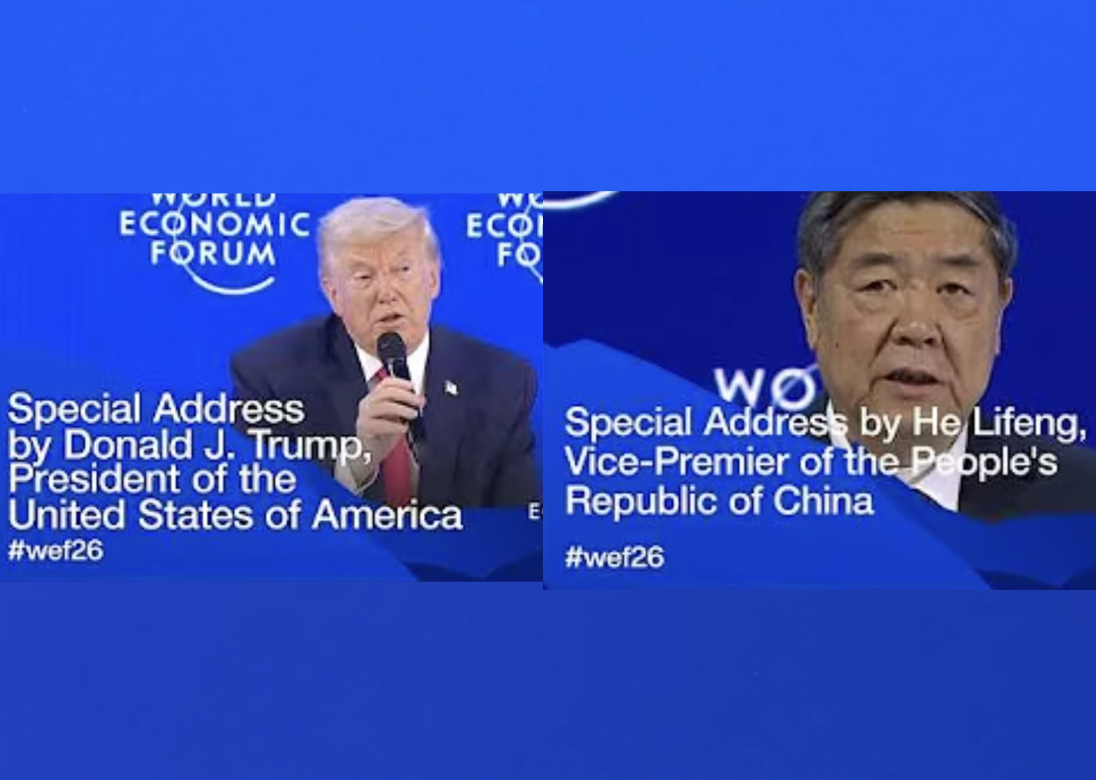
Davos 2026 | Firts Axis of Analysis. United States and China: Middle Class, Domestic Demand and the Industrial Turn
A comparative reading of Trump and He Lifeng’s speeches at Davos 2026 shows how the US and China are reorganising their strategies around middle class wellbeing, domestic demand and a new industrial turn shifting the centre of power from financial assets back to production, energy and material capacity.
-
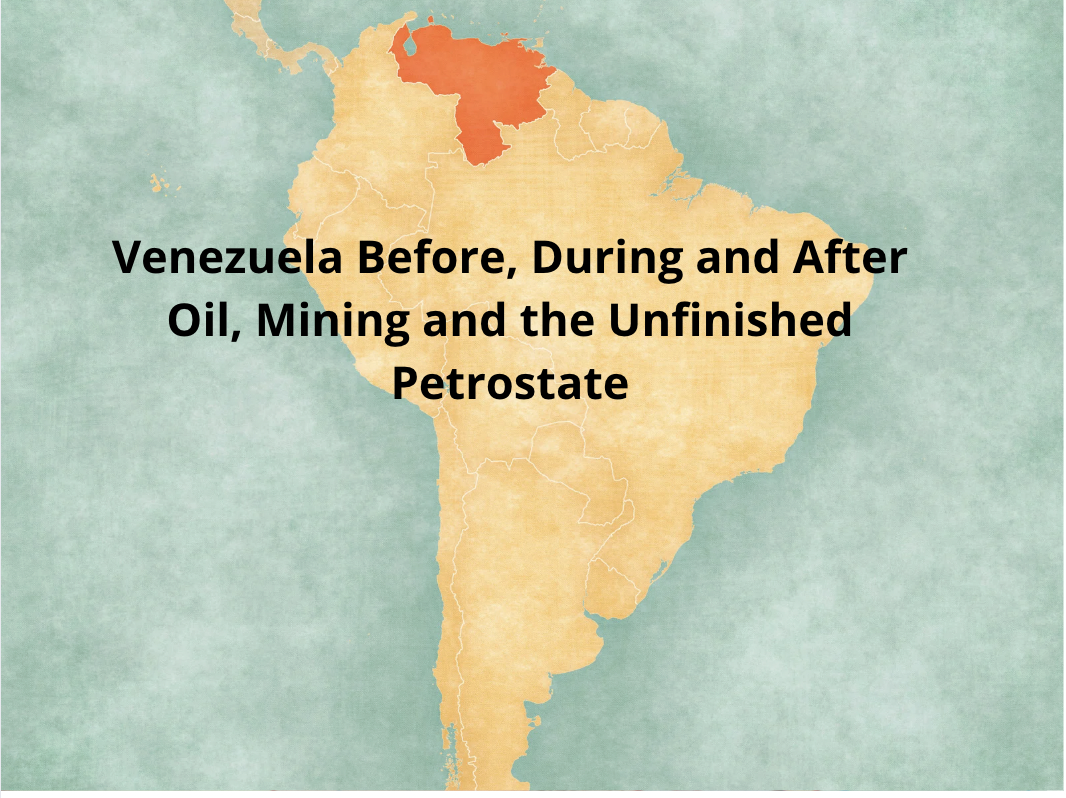
Venezuela Before, During and After: Oil, Mining and the Unfinished Petrostate
Venezuela was once shorthand for oil wealth: a founding OPEC member, a competent national oil company and a modest but real mineral base. Two decades of politicised resource management, sanctions and the rise of illegal mining have turned it into a cautionary tale of how a petrostate can fall below its own potential. This note…
-
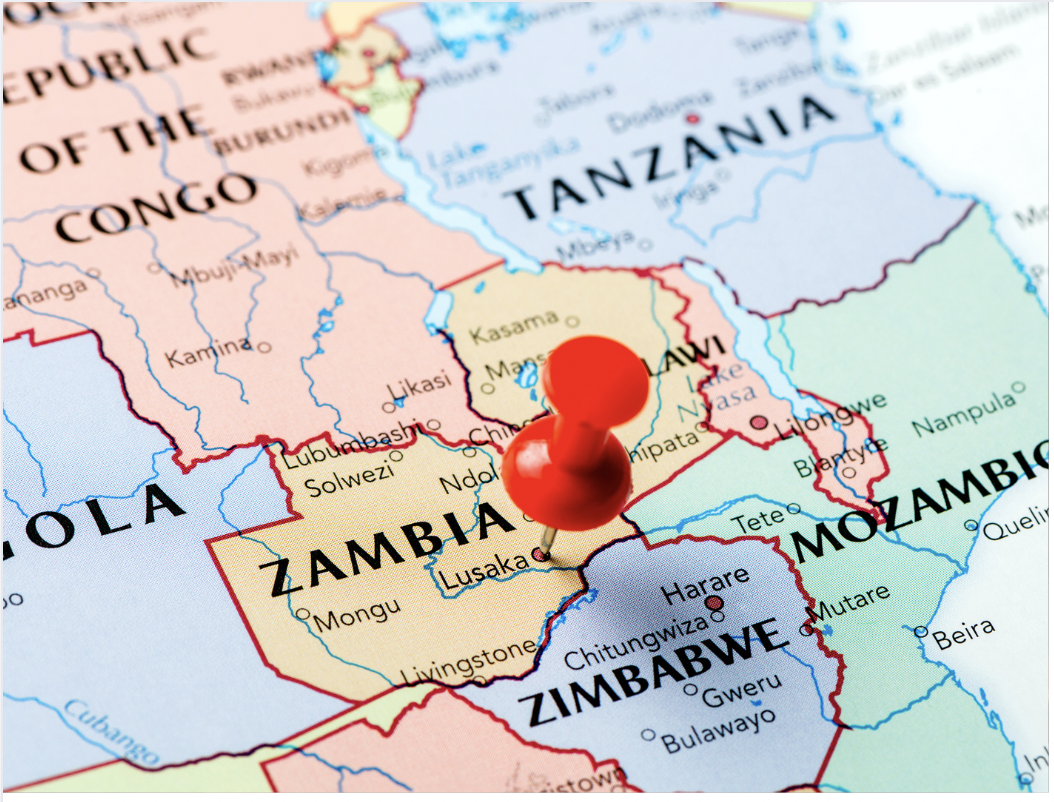
When Copper Pays in Yuan: What Zambia’s Tax Shift Really Signals
Zambia’s decision to accept mining taxes in Chinese yuan is more than a headline about “de-dollarisation”. It is a live test of how a copper-dependent state rewires its fiscal plumbing when China is simultaneously main buyer, creditor and investor. This note looks at what actually changed, how it reshapes currency risk and what it means…
-

China’s Policy Paper on Latin America and the Caribbean: Systems and Strategic Positioning
China’s 2025 Policy Paper on Latin America and the Caribbean does not just offer more trade and infrastructure. It embeds LAC into Beijing’s long term system for energy, resources, finance and technology. This article examines what that framing means for mining, critical minerals and bargaining power in the region.
-

Chile with Kast: signals for copper, lithium, rare earths and Codelco
Chile with Kast enters a new phase: a record mining pipeline, a faster but untested permitting system and renewed geopolitical pressure around copper, lithium and rare earths. This article unpacks what the election really signals for Codelco, lithium policy and project approvals over the next decade.
-
For China, Minerals Were, Are and Will Always Be Strategic
For China, minerals have always been strategic, today they sit at the core of its vision of technological power and national security. This piece explains how Beijing built its dominance in critical minerals and why that matters for geopolitical mining in the coming decade.
-

RESourceEU: Is Europe finally moving beyond form on critical minerals?
With RESourceEU, Brussels is trying to turn the Critical Raw Materials Act into operational reality: finance, joint purchasing, stockpiling, a new Raw Materials Centre. Our analysis looks at what is genuinely new, what remains form rather than substance, and why Europe’s invisible block around mining still matters.
-

America’s 2025 National Security Strategy: When Economic Power and Critical Minerals Move to the Center
America’s 2025 National Security Strategy hard wires economic power, supply chains and critical minerals into U.S. security doctrine. This article looks at how that shift changes the map for mining, midstream and resource countries in the first technological revolution.