Articles & essays
-

PDAC 2026: When the Conversation Became Real Again
PDAC 2026 showed a more operational mining conversation. Permitting, timelines, costs, water, social licence, security, and execution moved to the centre, reflecting a sector increasingly focused on what it will actually take to deliver supply in this decade.
-
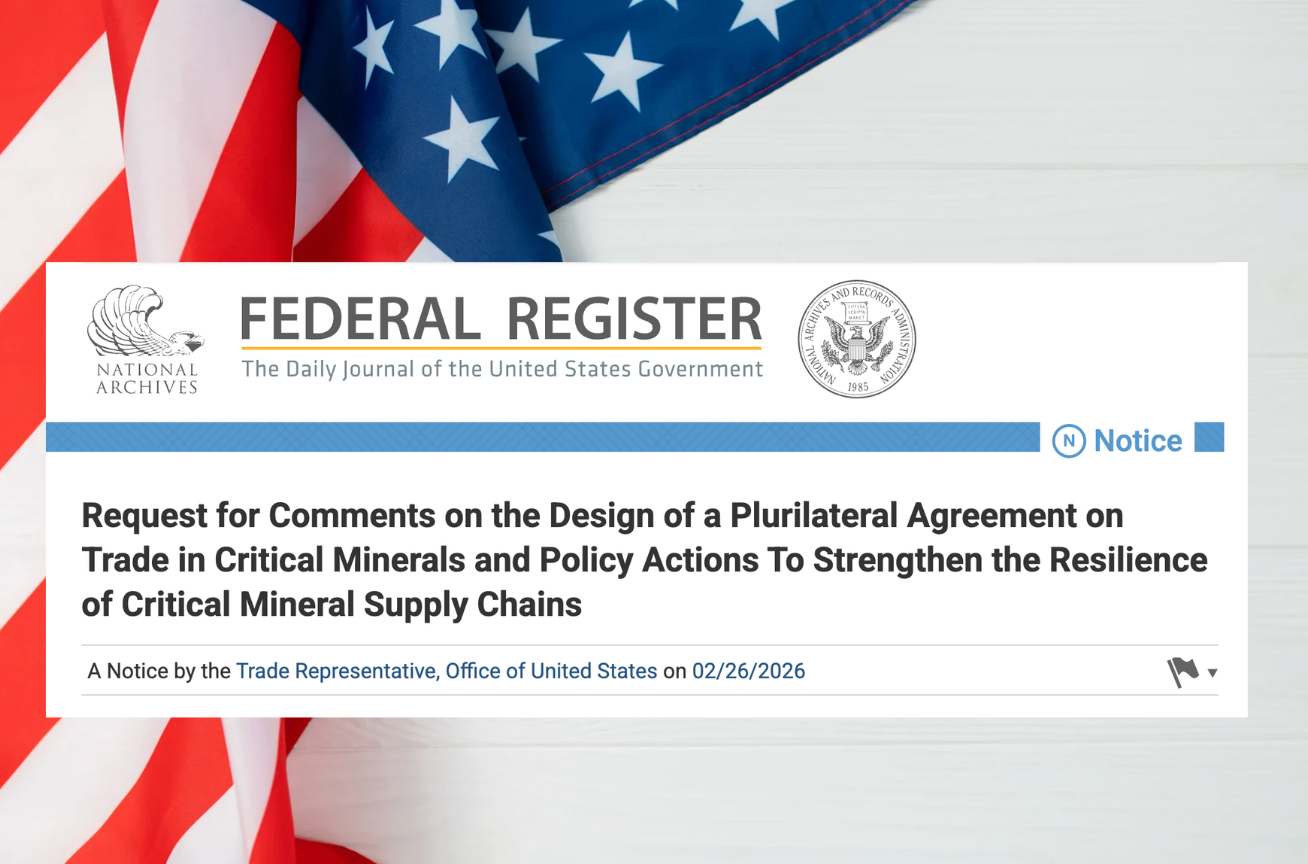
USA and Aligned Trading Partners, USTR Maps a Plurilateral Critical Minerals Deal
USTR has opened a formal consultation on a plurilateral critical minerals agreement with aligned trading partners. Behind the legal language, the notice begins to map a potential club architecture for prices, border tools and standards, and invites comments from any interested party before 19 March 2026.
-

2026: No Industrial Economy (or Industrial Security) Without Formal Mining and Social Legitimacy
By 2026, the main policy and business forums are aligned on one point: industrial security is no longer just about technology and capital. It also depends on reliable access to critical minerals and on whether formal mining is seen as legitimate by the societies that host it.
-
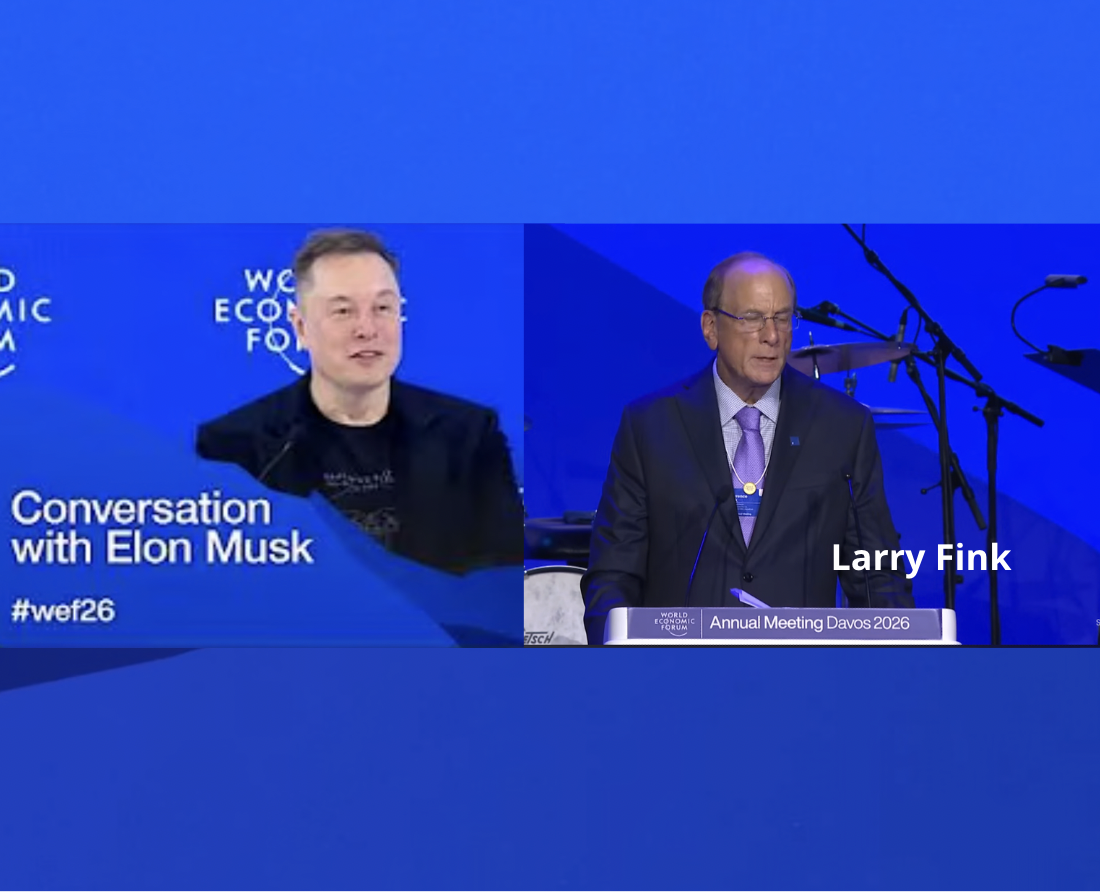
Davos 2026 | Sixth Axis of Analysis. Fink and Musk: Legitimacy, AI and the Clock of Execution
Larry Fink and Elon Musk frame AI as both a technological leap and a system stress test, highlighting the clash between the exponential clock of technology and the slower clock of institutions, and showing why the next geopolitical cycle will be decided in the ability to deploy energy, infrastructure and fair distribution at scale.
-
Davos 2026: Coordinates of the New Geopolitical Era
Geopolitical reading of Davos 2026: from the financial cycle to a new industrial and material era. Reindustrialization, middle class, legitimacy, sovereignty of speed, AI, energy transition and mineral supply chains seen through the lens of geopolitical mining and a redefined social contract.
-

Future Minerals Forum 2026: Reputation, Governance and the New Architecture of Mining
The Future Minerals Forum 2026 in Riyadh brought together over 100 countries, multilaterals and industry leaders to talk about critical minerals, infrastructure and standards. Beyond the headlines, this edition introduced the Future Minerals Barometer, a standing ministerial steering group and a corridor agenda with the World Bank. Paired with a frank debate on mining’s reputation,…
-

Rare Earths: The US Treasury, Baotou and Crucible
The US Treasury’s G7+ finance meeting, Korea Zinc’s Crucible smelter in Tennessee, and China’s new Baotou rare earth price index are three pieces of the same story: Washington is starting to coordinate supply, demand and price for non Chinese rare earths, while Beijing consolidates its own benchmark
-

The Cost of Time in Mining.
A five year permitting delay can erase a third of a mining project’s value, without changing the orebody, the plan, or the metal. Time is not neutral. It’s the hidden variable rewriting copper, lithium and nickel economics.
-

For the U.S., Minerals Are Now Geopolitics
In recent weeks, the U.S. has decisively reframed critical minerals as strategic inputs rather than commodities governed solely by global price curves. With direct state participation in key refining assets, like the $7.4B Tennessee smelter, Washington is explicitly underwriting strategic continuity, signaling a fundamental shift from market leadership to geopolitical sufficiency.
-

When Security Joins ESG: How the U.S. NSS Could Reshape Lending to Mining
For a decade, ESG has been the main external filter for mining finance. America’s 2025 National Security Strategy quietly adds a second one: strategic alignment. This article explores how that twin filter could change lending criteria for U.S. and European financiers in critical minerals.